



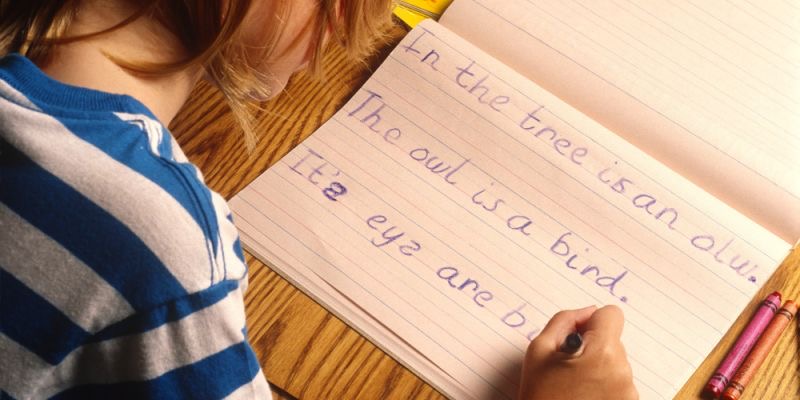
When a bright, curious child or teenager struggles to learn to read, it doesn’t mean they are not trying hard enough. As much as parents may not like to recognise that their child has a learning disorder, they may have , which is a common learning difference that affects accurate and fluent reading, spelling, and decoding. According to the International Dyslexia Association (IDA), dyslexia is neurobiological in origin and is not related to intelligence. With early identification and the right support, individuals with dyslexia can become highly successful readers at any age.
The Science Behind the Reading Pathway
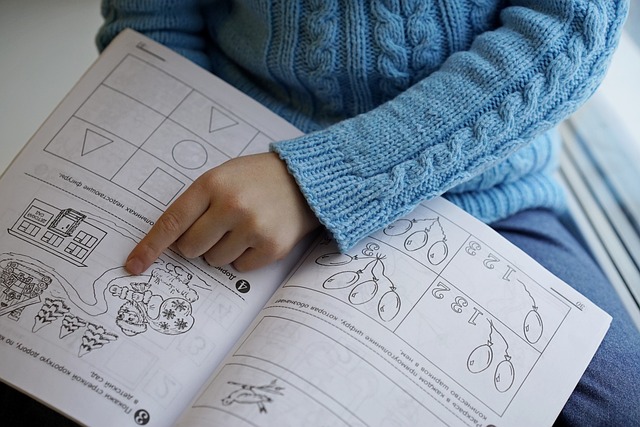
Learning to read is not a natural human process. The brain must actively build connections between letters, sounds, and meaning. For children and teens with dyslexia, developing these reading pathways takes more time and requires explicit, systematic instruction.
As a result, reading is often slow and effortful. Because so much mental energy is spent decoding individual words, students have fewer cognitive resources available for understanding the deeper meaning of the text. This directly impacts reading comprehension, vocabulary development, written expression, and overall academic progress—a challenge that grows exponentially as teenagers face the heavy reading demands of middle and high school.
Unlocking “Dyslexic Thinking” Skills
While the reading pathway requires specific scaffolding, it is vital to recognize the cognitive rewards of this unique brain wiring. As the global advocacy movement Made by Dyslexia highlights, dyslexic brains process information differently, driving a powerful pattern of natural strengths known officially as Dyslexic Thinking skills. These include lateral problem-solving, exceptional 3D spatial reasoning, and big-picture creativity. The goal of proper literacy intervention is never to change how these brilliant minds think; it is simply to give them the tools to navigate written language so their natural talents can thrive.
The Classroom Reality and Emotional Weight
For a school-aged child or teenager, the classroom is their whole world. Because a vast amount of school information is delivered through text, a student with dyslexia works twice as hard just to decode individual words. This leads to severe academic fatigue—by lunchtime, they are often completely exhausted from the pure mental effort of trying to keep up.
This daily grind impacts a student far beyond their report card, weaving together visible behaviors and invisible emotional struggles:
- The Emotional Weight: Navigating this journey without the right support causes years of frustration and limited success. When progress is agonizingly slow despite hours of hard work, it can render a child emotionally fragile and vulnerable. Some face intense pressure to excel without proper, targeted training, leading to a deep sense of defeat.
- The Burden of Comparison: Students find themselves constantly comparing themselves to their peers and siblings. They internalize a painful sense of inadequacy when they perceive that their learning journey looks different or takes more effort.
- The Avoidance Strategy: To protect themselves from this vulnerability, younger children may ask to
- leave the room frequently, misbehave to deflect from a reading task, or completely shut down when a book is opened.
- The Confidence Drop: Teenagers are highly aware of their peers reading effortlessly. This often leads to severe school anxiety, low self-esteem, and withdrawal, which adults sometimes mistake for a lack of motivation.
- The Language Confusion: In international school settings, these reading and spelling hurdles are frequently mistaken for basic English language learning (EAL) delays, leaving the root neurodiverse cause undiagnosed.

The Solution: Explicit, Structured Support
The good news is that dyslexia responds remarkably well to evidence-based instruction, no matter when a student starts. Structured Literacy approaches, such as the Orton-Gillingham methodology, teach reading explicitly and systematically. Students learn exactly how speech sounds connect to letters, how syllables and spelling patterns work, and how words are built using prefixes, suffixes, and roots. This logical approach completely replaces guesswork with understanding, giving both younger children and teenagers the tools to develop accurate, fluent, and independent reading skills.
Most importantly, dyslexia does not define an individual’s potential. With the right structured instruction,
targeted intervention, and consistent encouragement, children and teens with dyslexia can develop the lifelong skills and confidence they need to thrive both in the classroom and far beyond.