

Finding the right school for a child with dyslexia can be a difficult journey. It’s crucial to find a school that not only provides a supportive and inclusive environment but also offers specialist assessment and learning services. It’s also essential to establish if they have specialist support for your child who may be struggling with areas of literacy and numeracy. Many children worldwide go undiagnosed, which can significantly impact their academic and emotional development.
St Andrews International School Bangkok has an inclusive education policy, which is reflected in its non-
selective admissions and the integration of children with special educational needs into the mainstream
classroom. The school recognises that many factors can influence a child’s academic and social developmentand provides an extensive support network to help every student thrive.
So What Exactly is Dyslexia?
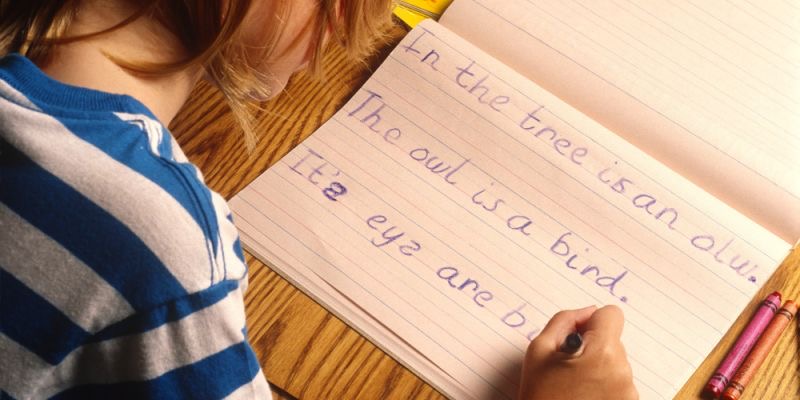
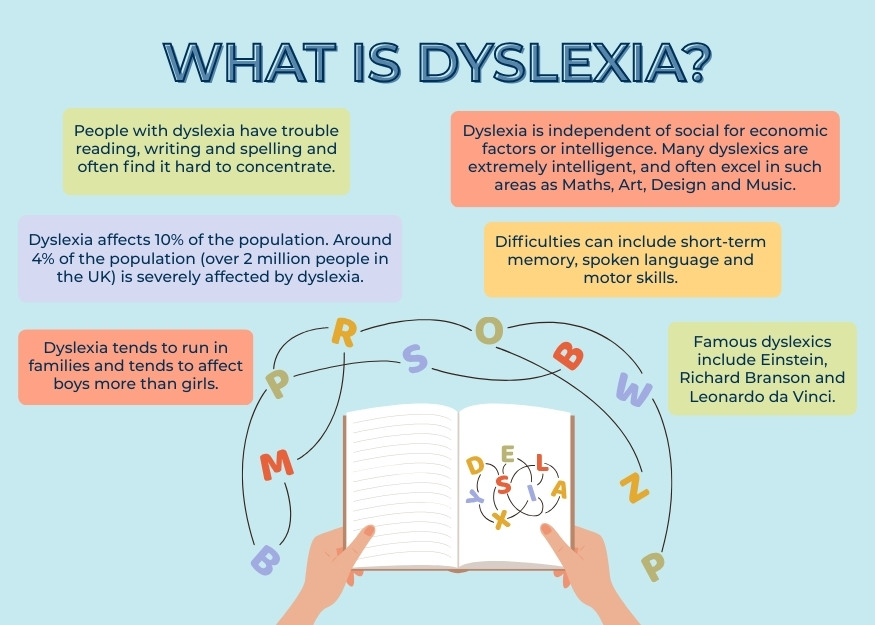
Dyslexia is a learning disorder that causes difficulty with reading due to problems identifying speech sounds and understanding how they connect to letters and words. Its symptoms can include slow vocabulary growth, trouble with spelling, and poor reading fluency, and they vary in severity from person to person. There’s no single test for dyslexia. A proper assessment will take into account many factors.
What it is Not….
It’s important to remember that dyslexia is not a sign of low intelligence or the result of poor instruction.
Children with dyslexia simply learn differently and often require multi-sensory teaching methods that aren’t always available in traditional classrooms. With the proper support, however, most individuals with dyslexia can develop into strong readers and writers, ultimately reaching their full academic potential.
How Many People Have it?
While there is no specific data on the number of people with dyslexia in Thailand, in the United States, it affects over 10% of the school-aged population. If you suspect your child may have dyslexia, obtaining a
formal assessment from an educational psychologist as soon as possible is recommended to ensure they receive the necessary help.
Where Can I Seek More Information & Get Help?
Dyslexia Thailand runs the Orton Gillingham Programme at St Andrews International School Bangkok
(Sukhumvit 71). This programme, which began in August 2017, provides targeted, supplementary support for students at both primary and secondary levels.
The programme was started by Dominique Perry, a mother who, after her daughter was diagnosed with
dyslexia, discovered a lack of adequate resources in Thailand. She spent seven months in the U.S. and U.K. getting help for her child before returning to Bangkok to create a more permanent solution for her daughter and other children with dyslexia. Today, the programme is a thriving support system for many dyslexic learners.
Dyslexia Thailand also organises camps in Kanchanaburi, offering children from across Southeast Asia fun outdoor activities while providing continuous learning support during school holidays.
What is Orton Gillingham?
Orton-Gillingham is a highly structured, language-based, and multi-sensory method of teaching reading,
writing, and spelling. It is also flexible and tailored to each child’s pace and progress.
This approach is based on decades of validated knowledge about how people learn to read and write, as well as why some individuals experience difficulties. It also takes into account how dyslexia makes achieving literacy skills more challenging and identifies the instructional methods that are most effective.
What is involved in the Orton Gillingham Programme?
The programme provides each student with an intensive, structured environment to build skills in reading, writing, and spelling. It is a supplement to their regular schooling, which already uses a multi-sensory approach and flexible curriculum. The programme is delivered by four trained Orton-Gillingham staff members who offer one-on-one support to each student who would benefit from it. Another key component is fostering the child’s confidence and self-esteem, reinforcing that dyslexia is a learning difference, not a learning difficulty.
For further information, please contact Catherine McCluskey, Whole School Director for Learning Support at St Andrews International School Bangkok at catherine.mc@standrews.ac.th
Editor’s Note: This article was updated in Sept 202