


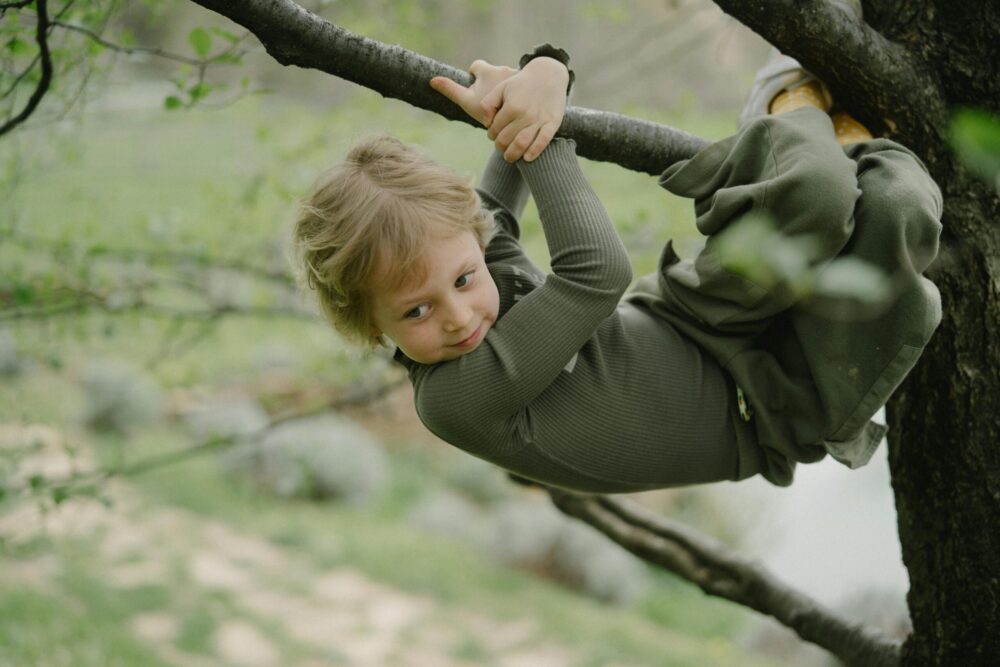
Movement plays a vital role in childhood. It’s through physical activity that many kids first begin to explore their capabilities. From running to climbing, from skipping to balancing, the body becomes both the tool and the teacher. Children grow into themselves through action. They begin to understand space, direction, and rhythm. They also gain a stronger sense of who they are and how they relate to others.
Many of the most meaningful lessons in early life happen while kids are in motion. These lessons don’t always look like formal learning, but they shape children in quiet and lasting ways.
Building Real-World Confidence
Climbing onto a high playground platform or learning how to kick a ball with power teaches more than coordination. These moments help kids build belief in their abilities. That belief grows stronger each time they try something that challenges them. They begin to trust their bodies and their instincts.
Confidence in movement often translates into confidence in other areas. A child who feels strong and steady tends to step into new experiences with more ease. They walk into a classroom, meet someone new, or try an unfamiliar activity with a sense of assurance. That self-belief begins with the first few steps toward a goal, however small.
Strengthening Focus and Thinking Skills
Physical activity gives the brain a boost. When children move, their ability to concentrate often improves. Movement supports areas of the brain that help with memory, sequencing, and planning. A child who jumps rope or follows a yoga sequence is developing more than muscle control, yes, but some of the underlying benefits are that their attention and processing skills are being strengthened, too.
These improvements often show up in everyday situations. Kids who regularly engage in movement-based play often find it easier to follow instructions or solve simple problems. Their brains are alert and engaged, even outside of active play.
Developing Emotional Control
Children experience a wide range of emotions, and sometimes those emotions can feel overwhelming. Movement offers a natural way for kids to process big feelings. Running, dancing, or stretching can calm a restless or upset mind. Many children find it easier to talk about their feelings after they’ve had a chance to move.
Physical activity also teaches patience and persistence. It may take time to learn how to dribble a basketball or balance on a beam. Along the way, kids discover how to cope with setbacks. They keep trying. Each small victory helps them build the kind of emotional strength that grows subtly over time.
Growing Social Awareness Through Movement
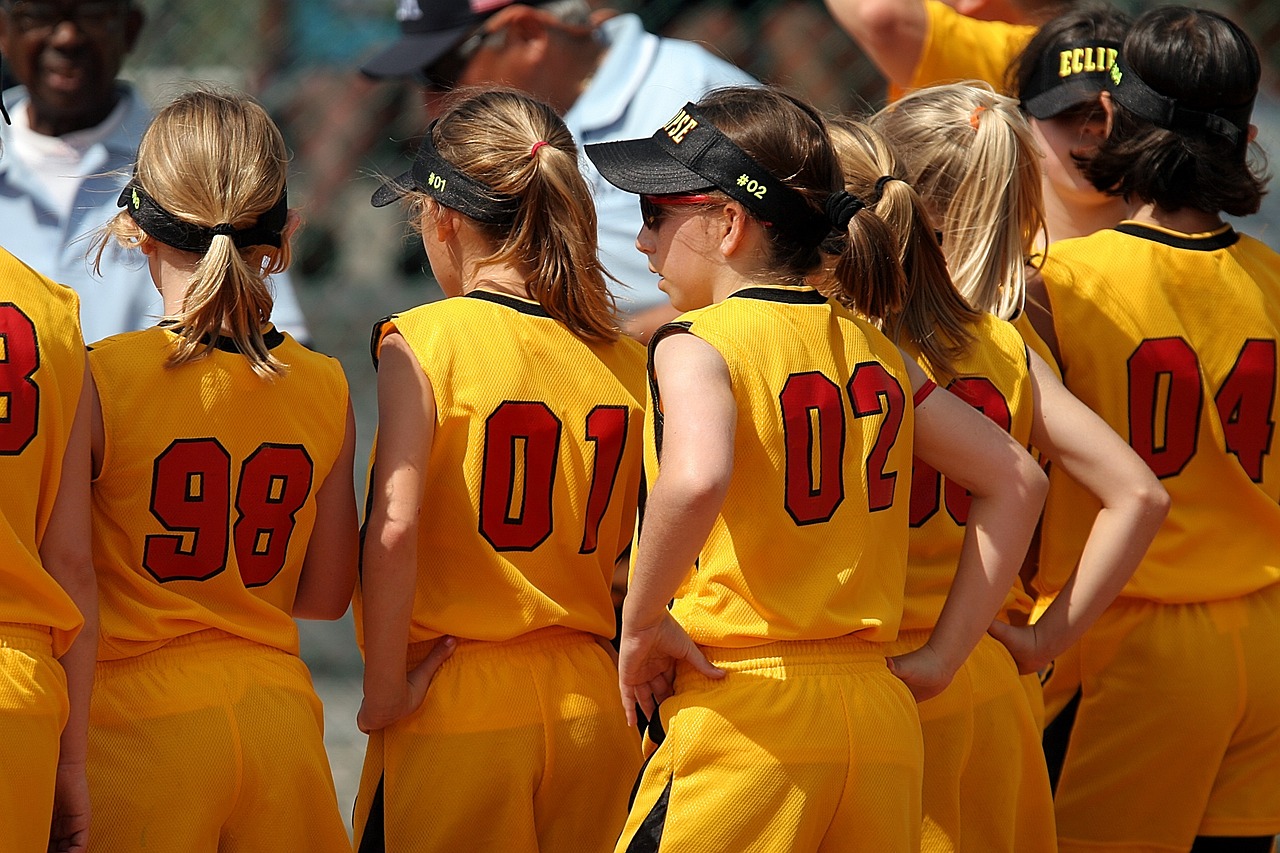
When children participate in physical play with others, they quickly learn how to listen, share, and cooperate. Games with rules give structure to social interaction. Even unstructured play with friends often involves teamwork, negotiation, and shared goals.
These social experiences can be especially helpful for kids who are still learning how to navigate group settings. They observe how others behave, they take turns, and they begin to understand how their actions affect the people around them. Movement becomes a shared language that teaches empathy and respect.
Learning About Safety Through Action

Safety habits start to feel natural when children practice them in real activities. For example, Kid’s Swimming Safety Lessons teach far more than strokes; it shows how to read depth markers, keep an eye on currents, and stay calm when a splash surprises them. The same principle applies on dry land. A bike‐skills clinic that walks kids through helmet fit and hand signals, or a climbing wall class that demonstrates harness checks and controlled descents, gives young movers a physical sense of cause and effect. Because they experience the rules in motion, they remember them without effort. Over time, small rituals—clipping a buckle, scanning a pool, checking their surroundings—become second nature, guiding children toward measured confidence rather than reckless courage.
Encouraging Creative Expression
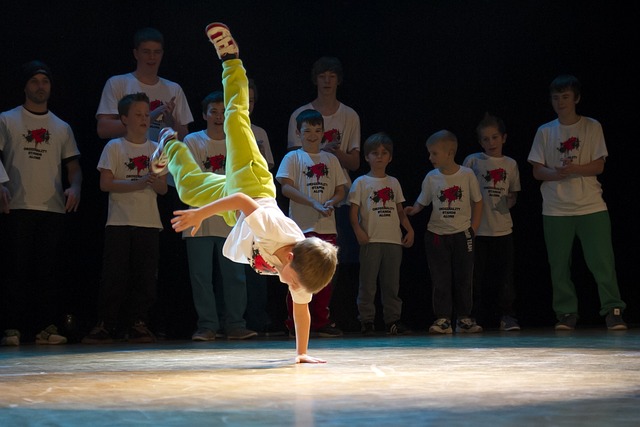
Many children express themselves most freely when they are in motion. Through dance, imaginative play, or spontaneous movement, kids explore ideas and emotions that might be hard to put into words. They create their own games and invent new ways to move through space.
This kind of play supports flexible thinking. Kids learn how to approach situations from different angles. They develop the ability to imagine possibilities. Creative physical activity gives children a chance to explore both their inner and outer worlds, using the body as a tool for expression.
Creating a Foundation for Healthy Living
When kids associate movement with enjoyment, they begin to see physical activity as something positive. A child who loves to ride a scooter or bounce on a trampoline starts to view movement as part of daily life. These habits form early and often stay with them as they grow.
Children who move often tend to have more energy, better sleep, and a more balanced appetite. Their bodies respond well to the rhythms of activity and rest. Rather than being told to stay healthy, they experience what health feels like in a way that’s simple and real.
Supporting Independent Growth
Physical activity allows children to discover their own abilities. As they learn to move through different spaces and try new skills, they begin to feel a deeper sense of independence. They open a door by themselves. They reach the top of the slide without help. These moments help kids feel capable.
That sense of capability builds over time. A child who knows how to manage their body in different settings becomes more confident when stepping into unfamiliar environments. They trust their instincts and learn to assess situations on their own. Independence isn’t just about doing things alone — it’s about knowing you can.
Celebrating Joy in Motion
One of the most beautiful things about physical activity is the joy it brings. Children feel it when they spin in circles, when they leap through puddles, or when they chase after a ball with laughter in their voice. Movement becomes a source of happiness, and that happiness sticks.
These moments matter. They stay in a child’s memory and shape their relationship with the world. The joy of movement becomes part of how they experience everyday life — with curiosity, with enthusiasm, and with a sense of delight.
Final Thoughts
Physical activity is more than a break in the day. It’s a powerful part of how kids learn about themselves and the world. Each game, each stretch, each run around the yard helps to build skills that support growth in every area.
When children are given the chance to move freely and often, they build a foundation that supports their development for years to come. The lessons may look simple on the surface, but their impact runs deep.