



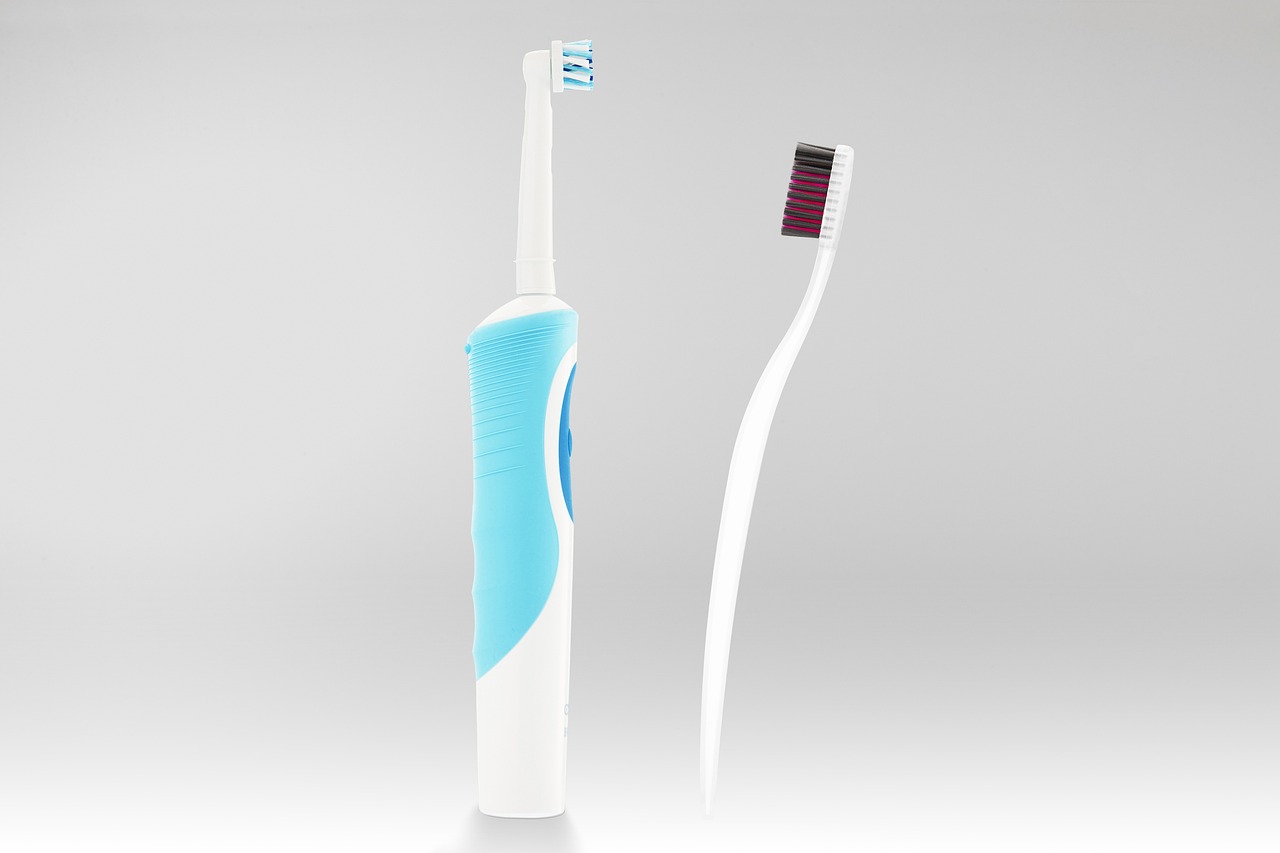
What Pediatric Dentists Say About Toothbrush Types for Toddlers and Young Children
Most pediatric dentists recommend beginning with a manual toothbrush designed specifically
for children—these brushes have smaller heads, extra-soft bristles, and thick handles that are
easy for small hands to grip. For children under age 3, a manual brush gives parents better
control during brushing and helps minimize the risk of injury from improper use.
As children get older—typically around age 3 or 4—many pediatric dentists begin
recommending electric toothbrushes, especially if the child is resistant to brushing or struggles
with technique. Electric toothbrushes can make the experience more engaging and often feature
built-in timers to encourage brushing for the full two minutes. Caring for your child’s teeth in the early years can help them establish good habits for life lifelong dental care.
Motor Skills and Toothbrush Suitability by Age
One of the biggest factors influencing whether a manual or electric toothbrush is appropriate is
the child’s motor skill development. For toddlers, whose fine motor skills are still developing,
manual toothbrushes with parent assistance are ideal. As their coordination improves, children
may be able to handle an electric toothbrush on their own, which can help ensure a more
thorough clean—especially in hard-to-reach areas.

Cleaning Power: Electric vs. Manual According to Pediatric Dentists
How Each Type Removes Plaque and Prevents Cavities
Manual toothbrushes can do a good job of removing plaque when used correctly. However,
many young children don’t have the coordination or focus to use proper brushing techniques
consistently. This can result in areas being missed—particularly molars and the
gumline—leading to plaque buildup and early childhood caries (cavities).
Electric toothbrushes on the other hand, tend to compensate for poor technique. Their built-in
motions—either oscillating-rotating or sonic vibrations—help remove more plaque with less
effort from the child. This is why many pediatric dentists favor electric brushes for children who
are reluctant to brush or have a history of cavities.
Studies or Clinical Experience Pediatric Dentists Reference
Numerous studies support the superior plaque-removing ability of electric toothbrushes. The
American Dental Association (ADA) and other professional organizations recognize that
powered toothbrushes can be more effective, particularly for children with limited dexterity.
Pediatric dentists often point to research showing that children who use electric toothbrushes
experience reduced plaque and gingivitis compared to those using manual brushes.
Electric Toothbrush Technology Benefits for Kids
Electric toothbrushes designed for kids come with features that not only improve cleaning power
but also enhance the brushing experience:
- Oscillating or rotating heads mimic professional dental tools to scrub more efficiently.
- Sonic vibration technology helps dislodge plaque in hard-to-reach areas without being too abrasive on young teeth and gums.
- Pressure sensors prevent kids from brushing too hard, which can damage enamel or irritate gums.
- Timers and music guide children to brush for the dentist-recommended two minutes, encouraging longer and more effective brushing.
Pediatric dentists frequently recommend models tailored for young users—lightweight, with soft
bristles, and colorful designs—to increase engagement and effectiveness.
Cost, Lifespan, and What Pediatric Dentists Suggest Parents Consider
Long-Term Value Comparison Between Electric and Manual Brushes
Manual toothbrushes are inexpensive and widely available. On average, a quality kids’ manual
toothbrush costs just a few dollars and should be replaced every 3 to 4 months, or sooner if the
bristles are frayed. However, because young children often struggle with technique, families may
end up visiting the pediatric dentist more frequently for cleanings, fillings, or cavity
treatments—costs that add up over time.
Electric toothbrushes, by contrast, have a higher upfront cost, typically ranging from $20 to
$60 for child-friendly models. Replacement brush heads usually cost $5 to $10 each and also
need to be changed every 3 months.
Battery Replacement or Charging Needs
Electric toothbrushes come in battery-operated and rechargeable models:
- Battery-operated brushes are more affordable initially but require ongoing battery replacement, which can be inconvenient and add to the cost over time.
- Rechargeable brushes are more eco-friendly and reliable but need regular charging, which may require parents to monitor usage and power levels.
How Pediatric Dentists Help Families Choose Based on Budget and Child Needs
Pediatric dentists understand that every family has different priorities and financial situations and lucky for us, there are some not-so-scary dentists perfect for kids in Bangkok.
When advising parents, they consider several factors:
- Child’s age and brushing ability: Younger kids may start with a manual brush and transition to an electric one as their motor skills improve.
- Oral health history: Children prone to cavities, plaque buildup, or gum issues may benefit more from an electric brush, even if it’s a bigger initial investment.
- Sensitivity and orthodontic needs: Kids with braces or sensitive gums often require specialized brush heads or features, making electric brushes a better fit.
- Parental involvement: If parents are closely involved in brushing routines, a manual brush may suffice. For independent brushers, an electric model may ensure more thorough cleaning.
Pediatric dentists also emphasize that no toothbrush—manual or electric—can substitute for
proper technique, brushing duration, and daily consistency. Ultimately, the best brush is one
your child enjoys using and uses correctly every day.