


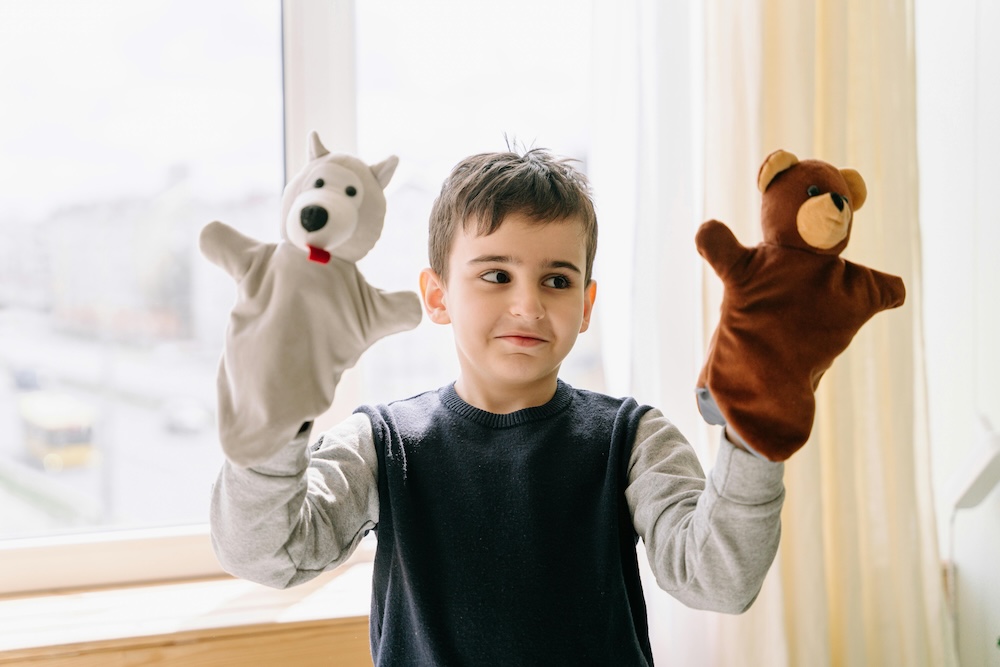
If you’ve ever seen a kid transform a spoon into a rocket ship or socks into hand puppets, you’ll already be familiar with this: children don’t require much to create a universe of their own. They’ve got wild, ingenious, and waiting-to-be-harnessed minds. Truth be told, some of the better learning occurs just when we don’t expect it, like on a rainy Tuesday morning with a basket of odd socks and knick-knacks.
Home is your best setting for storytelling. It’s home. It’s familiar. It’s got plenty of built-in potential just waiting to be explored. Special kits, Pinterest-perfect displays are not needed at all. Time, imagination, and openness to being silly are your only requirements. If your little one wants to improve their language, creative thinking, and self-esteem, storytelling with objects around the house is incredibly potent.
Why It’s So Great
So great that it works like this: there’s just something very unique about observing your child creating an entire narrative out of nowhere using just a spoon and a sock. This type of play allows them to play with language, sequence, feeling, and problem-solving, all while they’re hardly even aware they’re doing it. It’s bootstrap education and pure fun all at once.
And what does it do for you? No planning, no screen, no glitter covering every inch of your home.
Youngsters learn best through play. When they are actually holding, moving, or manipulating objects, the narrative takes on life in their minds. They assign personalities to their characters. They change up their vocal inflections. They start incorporating new words and expressions they’ve heard in texts, conversations, or even from the cat.
A Start Here That’s Easy, Not Complicated
Start here and look around your home. Surprisingly, what’s available that can be transformed into just about anything under the sun, courtesy of your little one.
Some things to experiment with include:
- Kitchen implements: they’re great people or animals or whatever.
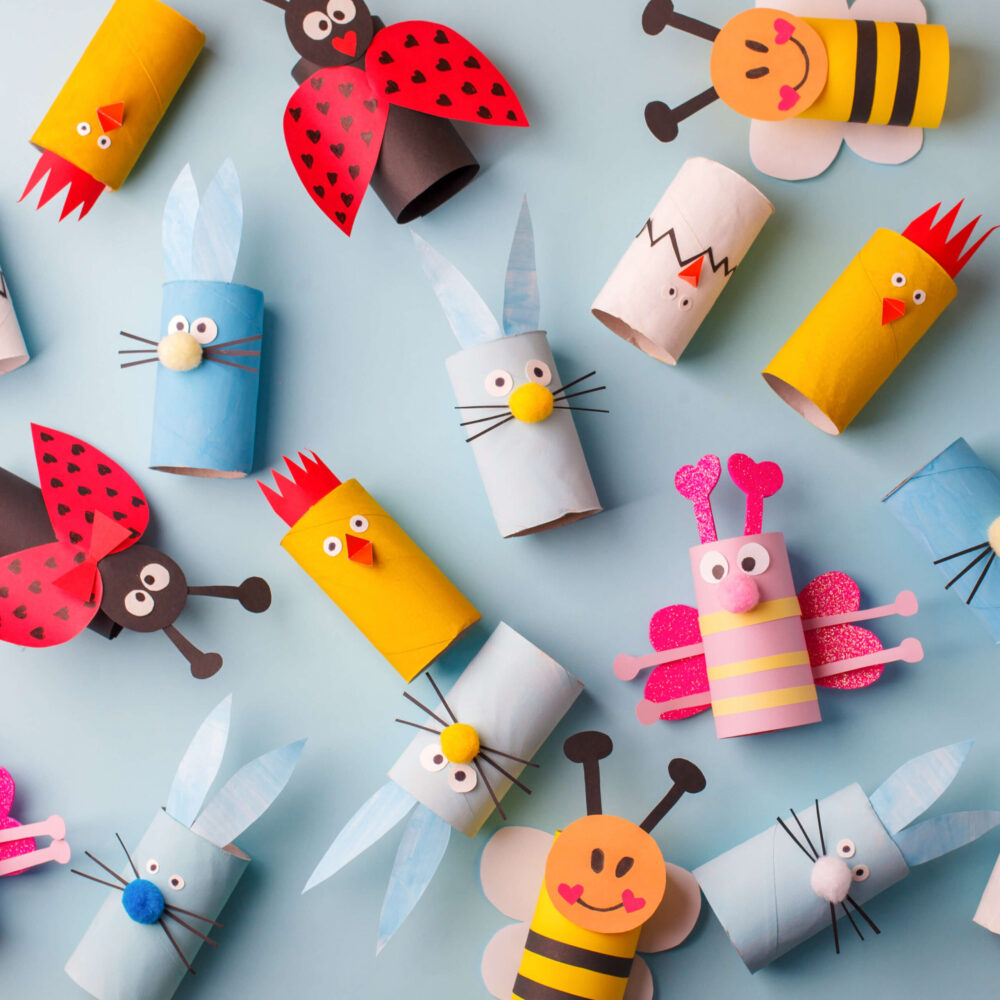
- Toilet roll holders: great building blocks or puppets.
- Socks: one color, two, it doesn’t matter, they’re fabulous protagonists.
- Empty boxes: houses, boats, caverns, anything your narrative requires.
- Pins, string, rubber bands: oddities that are handy somehow.
They can just pose a question such as, “What do you suppose this spoon does while we are asleep?” and where do they take it. You may find yourself in space, below the sea, or stuck in a haunted sandwich.
The Art of Accompagnement Without Upstaging
One of the biggest benefits of storytelling is the language boost. This focus is on being present and hearing what your child creates, cheering them on, and adding little touches to help their story grow.
If they utter, “The cat flies!” you can respond with, “Where does she fly to? Has she packed her suitcase?” That exchange develops vocabulary organically. You’re demonstrating interest, modelling sentences, and maintaining the narrative going without commandeering it.
When they get stuck, throw in a surprise: “Uh-oh! The peg pirate lost his treasure map!” Or offer a problem to solve: “What happens if the sock dragon gets cold?” Stories start flowing again when the pressure to get it ‘right’ is lifted.
And if you’re wondering where more structured learning fits in, this is a great place to sneak in activities like how to teach kids the alphabet. You could have the characters hunt for items that start with each letter or sing the ABC song as part of their story adventure. It’s gentle, effective, and blends right in.
For the Busy Days (Or When You’ve Got Zero Energy)
Some days are just overwhelming. And that is okay. You can still elicit storytelling and do not have to be extremely hands-on.
- Story starters in a jar: Write down silly ideas like “a spoon who loves dancing” or “a peg that hates socks” and let your child pull one out.
- Object roulette: Set up five random objects and say, “Create a story out of these!”
- Record it: Use your phone’s voice recorder and encourage them to tell the story solo. Play it back later with popcorn.
Even five or ten minutes of this kind of play can make a big difference to their confidence and vocabulary.
Incorporating It Into Daily Life
There isn’t a certain moment of storytelling that is required. because it can be done wherever…it can be done in the bath, during dinner, or while trapped in traffic. That spoon-rocket may be seen during lunch preparation. The sock-pirate may be washed and taken on a spin-cycle expedition.
Have your child observe how stories are not limited to texts or bedtime. They surround us.
Have on hand a small box with a selection of safe, odd, or interesting items. That way, when your kid hits the inevitable request of, “I’m bored,” you’re prepared. Eventually, they’ll likely initiate on their own, and that’s a goal we are trying to reach, I would say.
Letting It Be Messy

The stories won’t always make sense. The characters might change names halfway through. Sometimes the dragon will be the postman. Other times, the spoon will cry for ten minutes because it doesn’t like the colour red.
That’s a great thing, it’s imagination doing its job.
It’s your job to nod in agreement, laugh with them, ask questions, and rejoice over weirdness. Because the more accepted and the more they are encouraged, the bolder they will feel in being themselves.
You’re not trying to create a bestselling author here. You’re building connections, growing their love of language, and giving them space to be themselves.
Wrapping It All Up
There are a lot of big, flashy toys out there promising to make your child smarter, quicker, or better. But honestly, most of what they really need is already in your kitchen drawer or under the sofa.
It’s inexpensive, fun, and high on heart. It’s one of the ways to pause, come together, and allow your child’s imagination to flourish without glitzy gadgetry. You’re working with what you’ve got and making it great.
So next time you step on a spoon and sigh, maybe keep it out instead of putting it away. Who knows what adventure is waiting to go on?