

What is Waldorf education, schools and their mission and what makes it different from other learning philosophies? Many people have started to look at the Waldorf approaches to learning and many have absolutely no idea what is it. Let’s discover exactly what it is so you can decide if this is the right fit for your child.
Waldorf education is based on the educational philosophy of Rudolf Steiner (strange it’s called Waldorf education!) and its approach is a spiritual philosophy known as ‘Anthroposopy’ which is the understanding of a humans true nature from infancy to adulthood. The teaching method strives to develop pupils’ intellectual, artistic, and practical skills in an integrated and holistic manner by educating children through games and music. This is a movement in education that seeks to engage all aspects of the learner, including mind, body, and spirit to help children develop social, emotional and intellectual skills. Waldorf methods aim is to cultivate pupils’ imagination and creativity in ways that serve their developmental needs. Academics are not considered as the main priority in the early years and Waldorf preschools are not obsessed with teaching reading and writing, they focus more on developmental milestones so each child learns and progresses at a pace that is appropriate to them rather than competing with others.

History of the Waldorf Education
The Waldorf method is nearly a century old and was originally founded in the early 20th century by Emil Molt, the owner of Waldorf Astoria cigarette factory in Stuttgart, Germany. The schools were originally established for his employees’ children and the foundations were based on the philosophy of learning developed by Rudolf Steiner, a scientist, literary and philosophical scholar. The curriculum is based on human beings, comprising of body, soul and spirit. It success speaks for itself as it is considered the fastest growing holistic schooling system in the world, with more than 500 centers for special education, 1,200 independent schools and over 2,000 kindergartens globally. At the time of writing there are only a handful of Waldorf schools in Thailand. Germany, the United States and the Netherlands are the countries which host the most Waldorf schools. They strive to create morally responsible individuals with high social competence.
A Waldorf Classroom
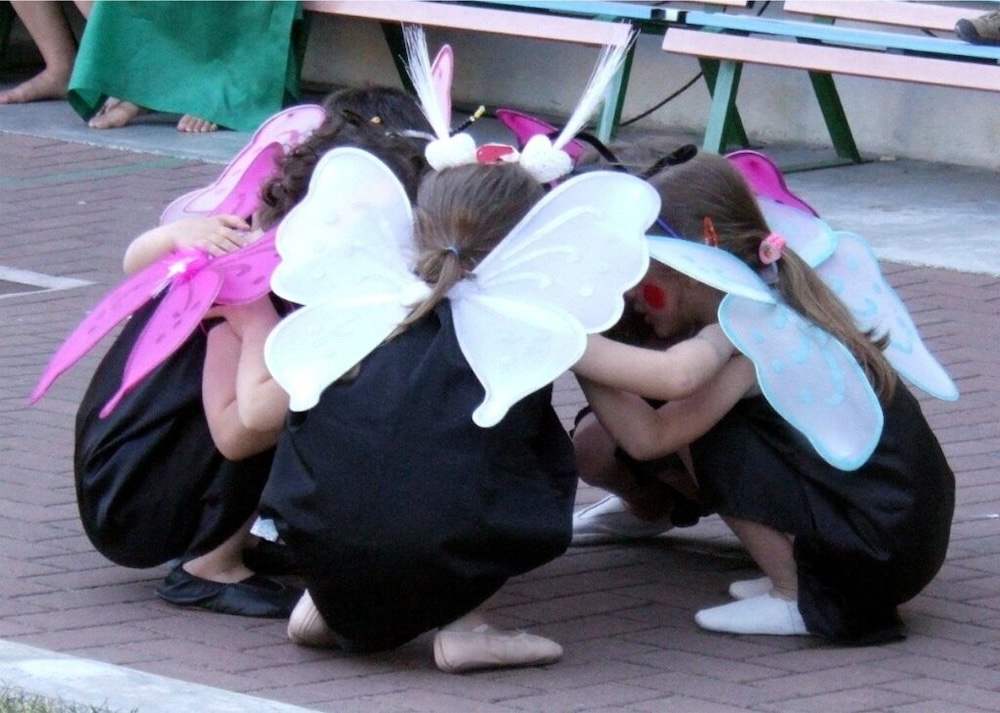
In the typical Waldorf classroom subjects such as literature, art, theatre, dance are ‘experienced’ and not just learnt. A Waldorf teachers’ role is to generate inner enthusiasm for learning and therefore removing the need for competition and exams. A students motivation to learn is intrinsic in the philosophy of the schools. Teachers aim to encourage and trigger students cognitive thinking skills (head), their social and emotional abilities (heart) and their physical development (hands) in age appropriate ways. Learning in many subjects is focused on learning through creative tasks. It’s more common to see pens, paper, paints, sand and blocks rather than computers, in fact some Waldorf schools don’t even allow them in the classrooms with the fear they inhibit creative thinking.
The Waldorf teacher stays with their class each year. This isn’t the only example of this approach. We also see schools in Finland where teachers remain with a cohort for a few years. There are, I believe, very evident advantages and disadvantages to this. It is a nice concept to keep the person that knows the children best with those children.
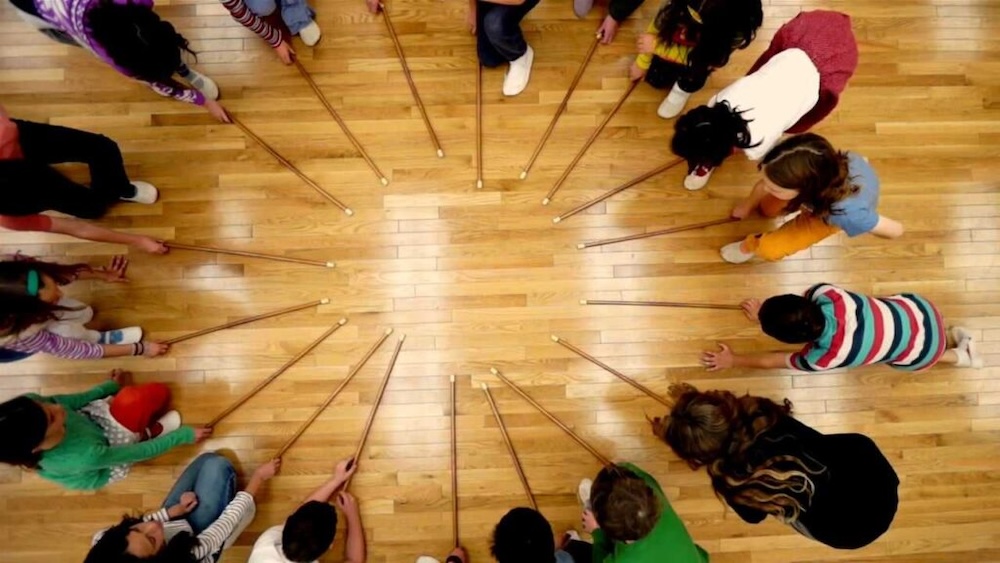
A teacher might encourage students to learn language skills be repeating phrases after the teacher, while simultaneously playing catch with a bean bag or learning multiplication by pretending their fingers have lightening bolts inside and they can zap the correct answer on the board. These type of exercises synchronise the body and brain. Much research has been carried out on how students learn more by doing; rather than static learning, and the Waldorf schools have this at the heart of their foundations.
Cut up a cake or pizza into pieces and see how quickly kids learn fractions!
How Will They Assess My Child
In Waldorf education the assessments of students work is integrated into the daily life of the classroom and allows teachers to frequently check their learners’ progress and the effectiveness of their own practice which allows for self assessment of the student. Standardised testing will be limited to entry requirements for further secondary education.
One thing to understand is that individual teachers and schools have a great deal of autonomy in determining the curriculum content, the way they teach and the governance of the schools. Assessments both formal and informal are conducted by teachers during the learning process in order to modify their teaching and learning activities to improve the student’s engagement and grades. The goal of a formative assessment is to monitor student learning to provide ongoing feedback that can help students identify their strengths and weaknesses and target areas that need work. It also helps faculty recognize where students are struggling and address problems immediately. This typically involves qualitative feedback (rather than scores) for both students and teachers so they can focus together on the details of content and performance.
This type of assessments are contrasted with more summative assessments which mainly seek to monitor standards of education and give a final report on the students achievements at the end of a course or module.
5 Things to Consider
- Waldorf schools have guiding principles but there is no hard and fast rules on how each school or teacher interprets them. You can expect to see many different interpretations on how each individual school puts the principals into action across the thousands of schools in existence.
- Waldorf schools create non academic environments so children will help to prepare and serve food, tidy materials away and keep their work spaces clean. The idea is that the children, through doing such tasks learn to appreciate the things that are done for them in life.
- Storytelling plays an important part of classrooms and in daily life and true Waldorf teachers will tell stories ‘by heart’ and not from a book, in the way that myths, legends and fables would be told around a camp fire. Eye contact and recounting a story adds realism for the listener and helps stories come alive.
- The arts are incorporated into all subject areas from spelling, to history and maths. The theory is that if children are fully engaged in a creative activity and expressing themselves individually then they are far more likely to enjoy and remember the subject matter. The theory of incorporating art throughout learning actually runs much deeper on a neurological level and there is substantial evidence to support its use.
- There are no text books used in Waldorf schools. The idea in Waldorf is that the children make their own books, no too dissimilar to some Reggio settings, based on project work that they do.

Waldorf Schools in Bangkok
If you are interested in Waldorf education there are limited schools in Thailand. Here are three schools which you may like to check out.
If you are interested in Waldorf education there are limited schools in Thailand. Here are three schools which you may like to check out. Unfortunately there are not many Waldorf schools in Bangkok.
Panyothai School “Create balance of body, mind, & wisdom aiming to develop a creative human being.”
Siratthaya Waldorf Learning Center “Build with heart, give with love.”
Dulyapat Living School “Learn to change the world.”