


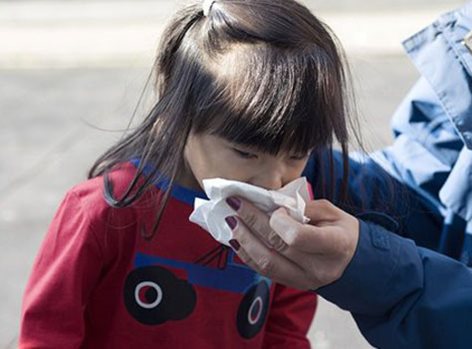
The massive increase in the emission of pollutants into the environment has had an impact on the rising number of people suffering from allergies. In particular, allergies are becoming increasingly common in children.
What causes allergies? Allergies occur when the body overreacts to allergens or other triggers that are typically harmless to most people. People who have allergies are overly sensitive to a substance that can immediately cause a variety of symptoms or complications – including sneezing, runny nose, watery eyes, coughing, or even shortness of breath.
Allergies in children are mainly caused by two factors, including:
(1) Genetic Factors: If one or both of a child’s parents have an allergic condition, the child has an increased risk of allergic diseases.
(2) Environmental Factors: There are many environmental triggers for allergic diseases including dust, dust mites, pets, cockroaches, and cigarette smoke, etc.; or foods such as seafood, dairy, eggs, wheat, and peanuts, etc. A child exposed to strong allergens for an excessive period of time may eventually develop allergic conditions.
Allergic Symptoms
Allergic symptoms can be noticeable through many parts of the body, including the skin, respiratory system, and digestive system. Parents should watch for the following symptoms in their children:
Skin – Itching, rashes, and dry skin – especially on the face, cheeks, elbows, knees, and neck
Respiratory System – Runny nose, congestion, itchy nose, itchy eyes, coughing, or sneezing throughout the day or intermittently – these symptoms can occur after immediate exposure to environmental triggers. Coughing or shortness of breath that occurs during exercise or changes in weather.
Digestive System – Swelling of the lips and red rashes around the mouth, nausea, vomiting, stomach bloating, mucousy stool, and bloody stool
Allergic symptoms depend on age. Children at different ages, have different exposures to allergens. For example, infants usually see a doctor due to skin problems, such as a rash from cow’s milk allergy or a rash from clothing washed with detergent and fabric softener. Toddlers who have started crawling or walking are more exposed to additional environmental factors, such as dust and pets.
Snoring can be caused by allergies. Snoring or heavy breathing during deep sleep is a common condition in children with allergies. Snoring is mainly caused by enlarged tonsils and/or enlarged adenoids, which subsequently block the air passage through the back of the nose and throat. In severe cases, children may stop breathing temporarily, which will undoubtedly scare parents. For these reasons, early diagnosis and treatment is very important.
“Quality of Life” is the main goal of treatment, so that children with allergies can enjoy the same activities and opportunities as their peers. For example, children with allergies should be able to recover from a cold within seven days. They should be able to exercise and play sports regularly without being troubled by asthma, coughing, or difficulty breathing.
There are three components in the treatment of allergic patients, including avoiding allergens or suspected allergens such as certain foods (seafood, eggs, peanuts, wheat, and dairy products), dust mites, dust, pet hair, and cigarette smoke; and taking extra precautions, such as encasing the mattress with a mattress protector, etc. Also, exercising regularly and taking medication as advised, prescribed by a doctor, are also crucial.
Parents can help. Although genetic predisposition is uncontrollable, environmental factors may be controllable – even at the earliest stage in a child’s life.
During pregnancy, mothers-to-be should take care of their health and follow the instructions given to them by their obstetrician closely. If there is a concern about the risk of allergies in your baby, minimize the risk by avoiding foods that may cause allergies such as seafood, eggs, peanuts, dairy products, chocolate, and wheat, to prevent your unborn child’s early exposure to these allergens.
After birth, breastfeeding exclusively for at least the first six months may help prevent your baby from developing allergies. Keep the environment clean, and as free from dust and pollution as possible. And most importantly, never smoke in the presence of your children.
If you suspect that your child may have an allergic condition, please consult your Pediatrician or Pediatric Allergist for the proper diagnosis and treatment. Allergic symptoms, especially in the respiratory system, can be cured if treated early. If left untreated, they may cause long-term consequences.
By Dr. Karl Kalavantavanich, Paediatric Allergist and Immunologist, Children’s Center, Bumrungrad International Hospital
Editor’s note: This article is sponsored content from Bumrungrad International Hospital, and it is reprinted here with permission of the hospital.