

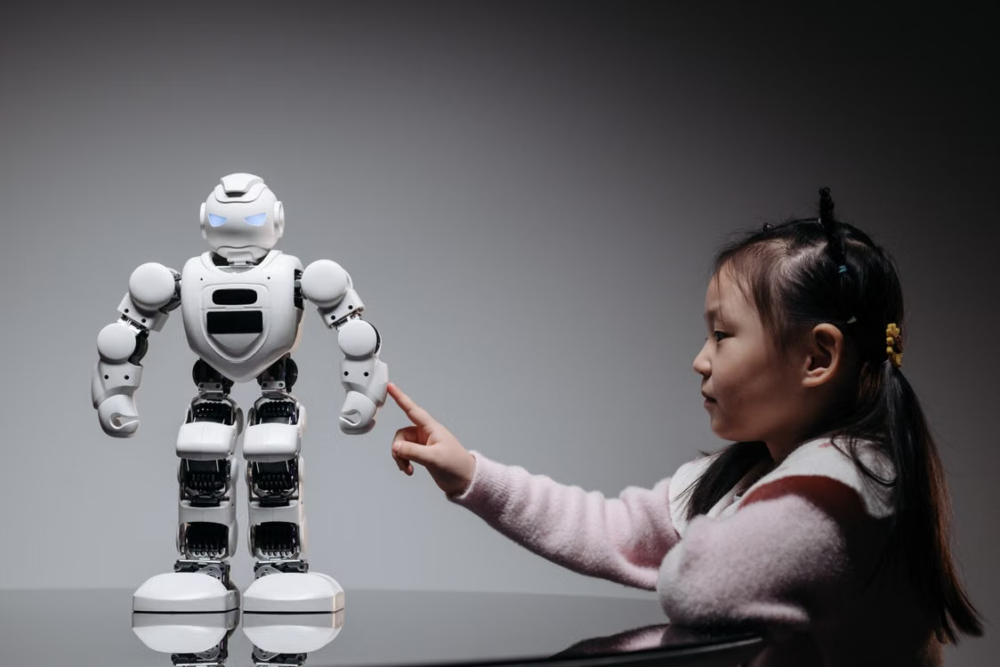
Artificial intelligence (AI) is becoming an increasingly familiar part of children’s lives, from the tools they use at home to the technology appearing in their classrooms. For schools in Chiang Mai and beyond, AI offers new ways to support learning, but it also raises questions about how children develop essential skills, interact with others and understand the information they receive.
Like any educational tool, AI has its benefits and limitations. The key is knowing how to use it thoughtfully.
The Pros of AI in Education
Personalised Learning
One of the biggest advantages of AI is its ability to adapt to individual learning needs. Some AI tools can adjust the difficulty of activities, provide extra practice or explain a concept in different ways. This can be particularly helpful for children who need more time with a subject, as well as those ready to move ahead.
For students learning in a second language, AI may also help explain unfamiliar words, translate instructions or provide additional language practice.
Support for Teachers
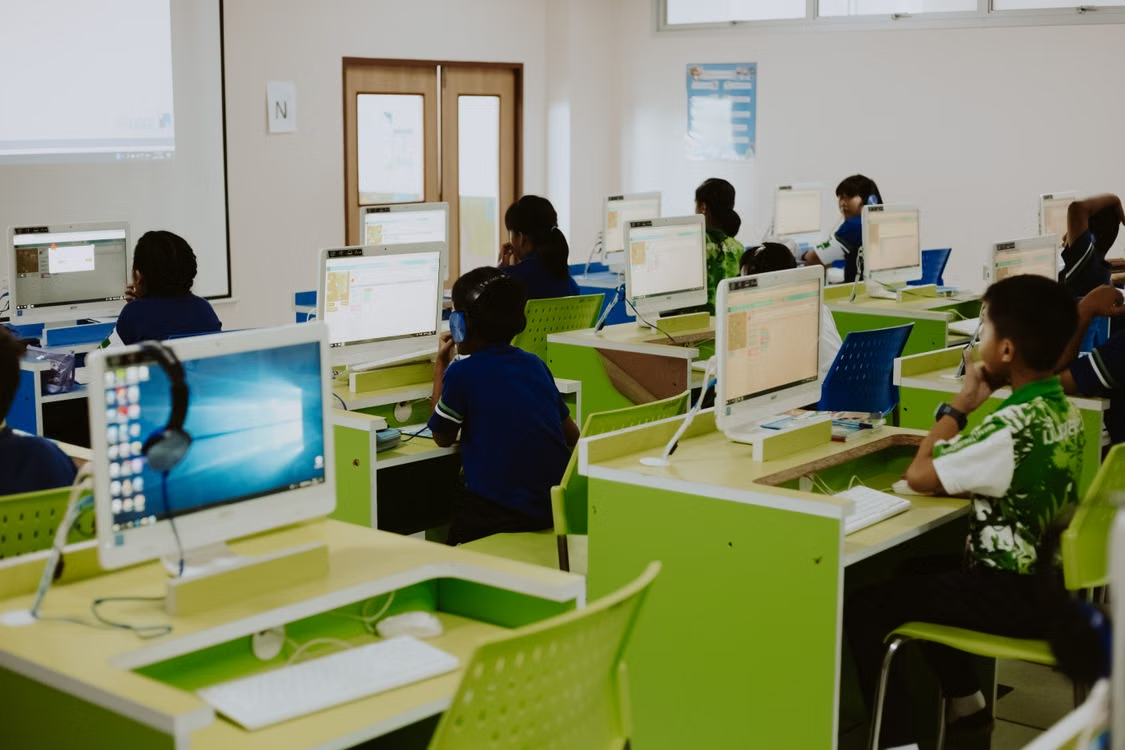
AI can help teachers with tasks such as preparing lesson materials, creating practice questions and identifying areas where students may need further support. Used well, this can free up time for the parts of teaching that matter most: building relationships, encouraging curiosity and supporting children’s individual development.
Encouraging Creativity and Exploration
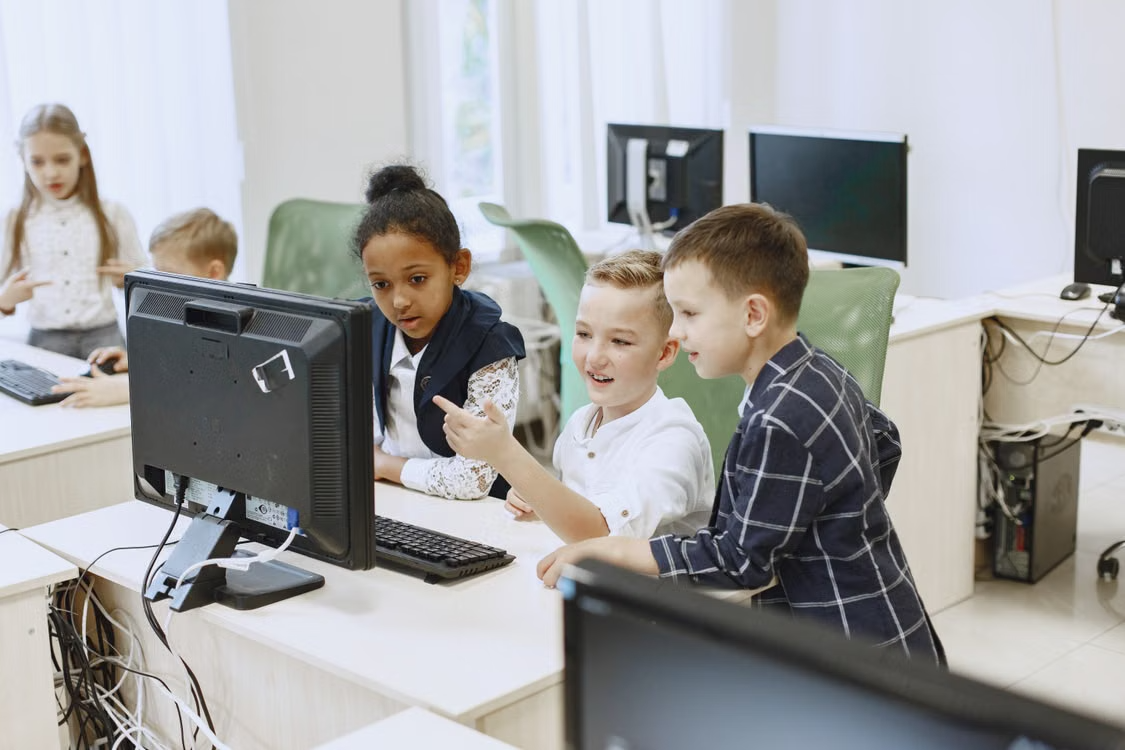
AI can be a useful starting point for creative projects. Children might use it to brainstorm story ideas, explore a topic or ask questions they had not thought of before. With guidance, these tools can encourage curiosity and help students approach a subject from different angles.
The Cons of AI in Education
Overreliance and Reduced Critical Thinking
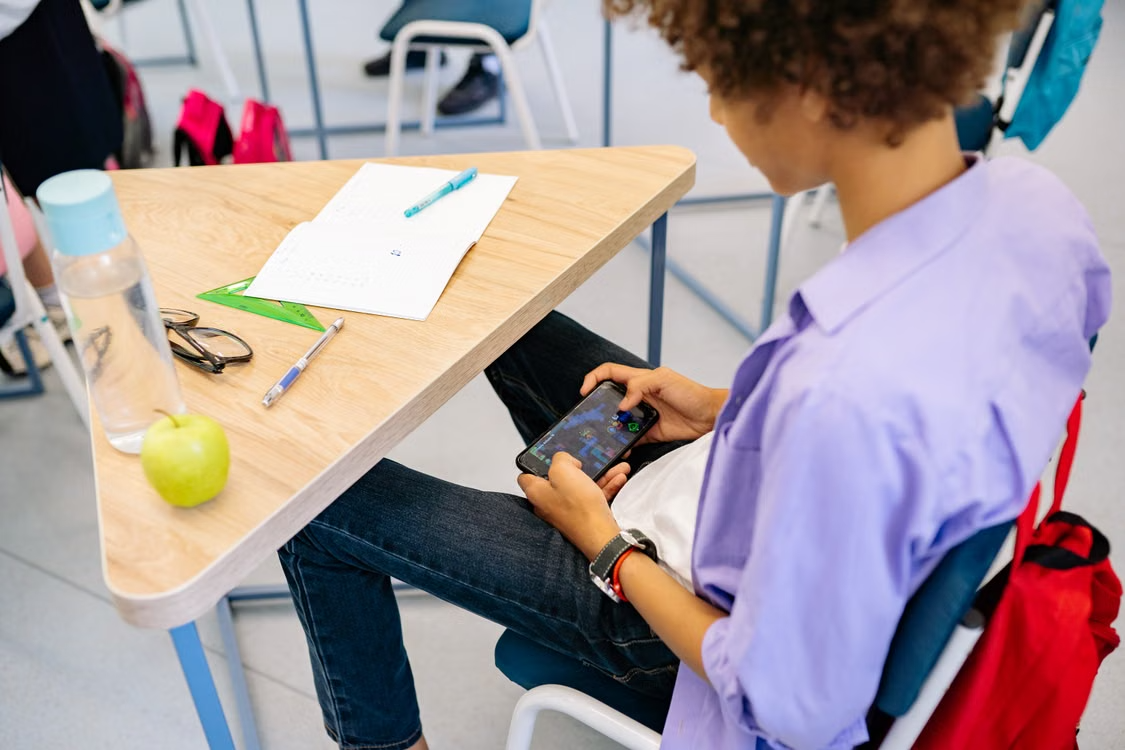
One concern is that children may become too dependent on AI for answers. If students use it to complete homework or write assignments without understanding the material, they may miss out on developing problem solving, writing and independent thinking skills.
Children need opportunities to make mistakes, work through challenges and form their own ideas. AI should support this process, rather than replace it.
Accuracy and Misinformation
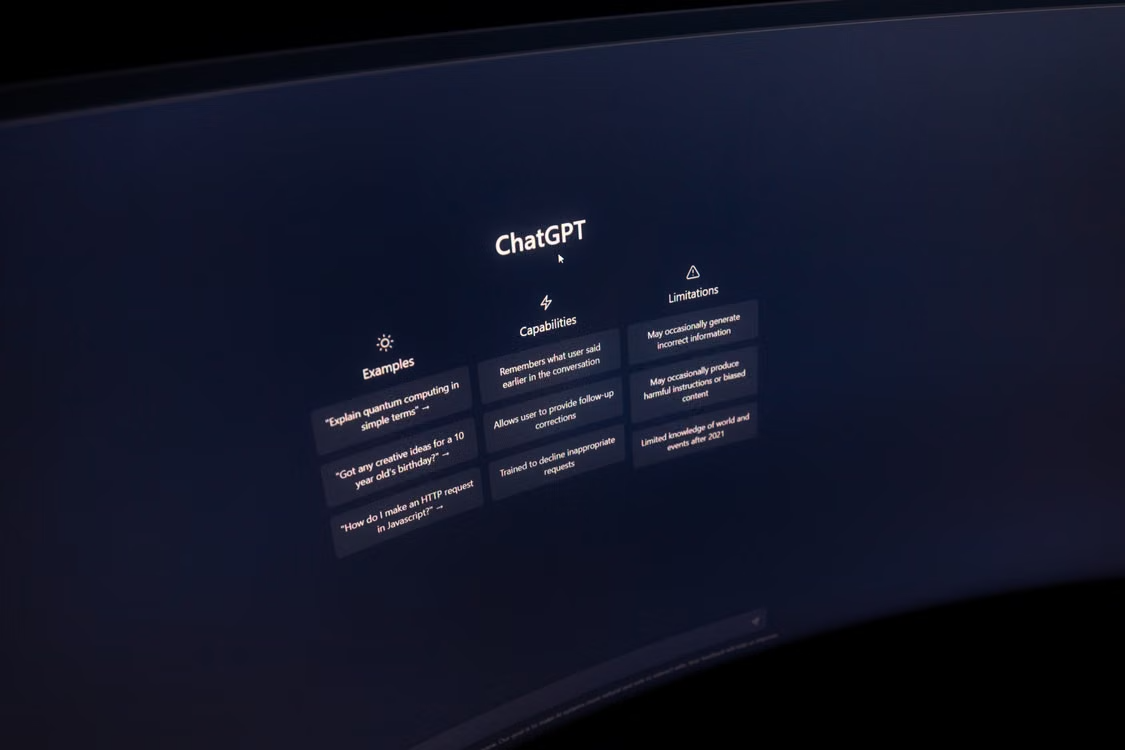
AI tools can produce information that sounds convincing but is incorrect or incomplete. Younger children may not yet have the skills to recognise these mistakes, making it important for teachers and parents to help them check sources and question what they read.
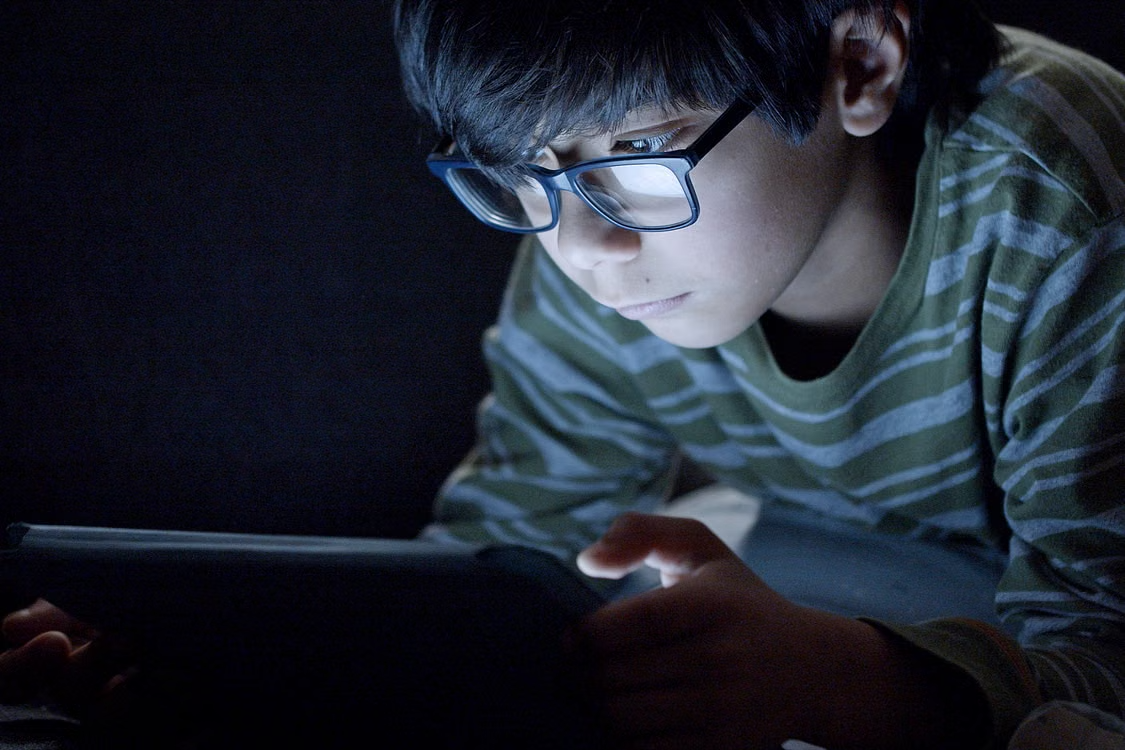
Privacy and Digital Safety
Some AI platforms collect information about their users. Parents and schools should understand what data is being shared, particularly when children are involved. It is best to use age appropriate tools and avoid entering personal details, school information or identifiable photographs.

Finding the Right Balance
AI is unlikely to disappear from education, and banning it entirely may leave children unprepared for the technology they will encounter in the future. Instead, schools and families can focus on helping children use it responsibly.
This means setting clear boundaries, teaching children to verify information and making sure they can complete tasks without AI. It also means preserving time for reading, play, discussion and hands on learning.
Ultimately, AI can be a useful addition to the classroom, but it cannot replace the guidance of a good teacher or the value of a child thinking for themselves. The goal is not to raise children who rely on AI for every answer, but children who know how to use technology thoughtfully while remaining curious, capable and independent learners.