


Relocating to Thailand can be an exciting new chapter for families, but one of the biggest questions parents face when they get here is: what about schooling?
The good news is you won’t run out of options. The challenge is figuring out which one actually works for your family.
With everything from international schools to local institutions, the choices can quickly feel overwhelming, especially when timelines are tight and availability isn’t always guaranteed.
This guide breaks down the key schooling options in Thailand and what relocating families should keep in mind when planning their child’s education.
1. Schooling Options in Thailand
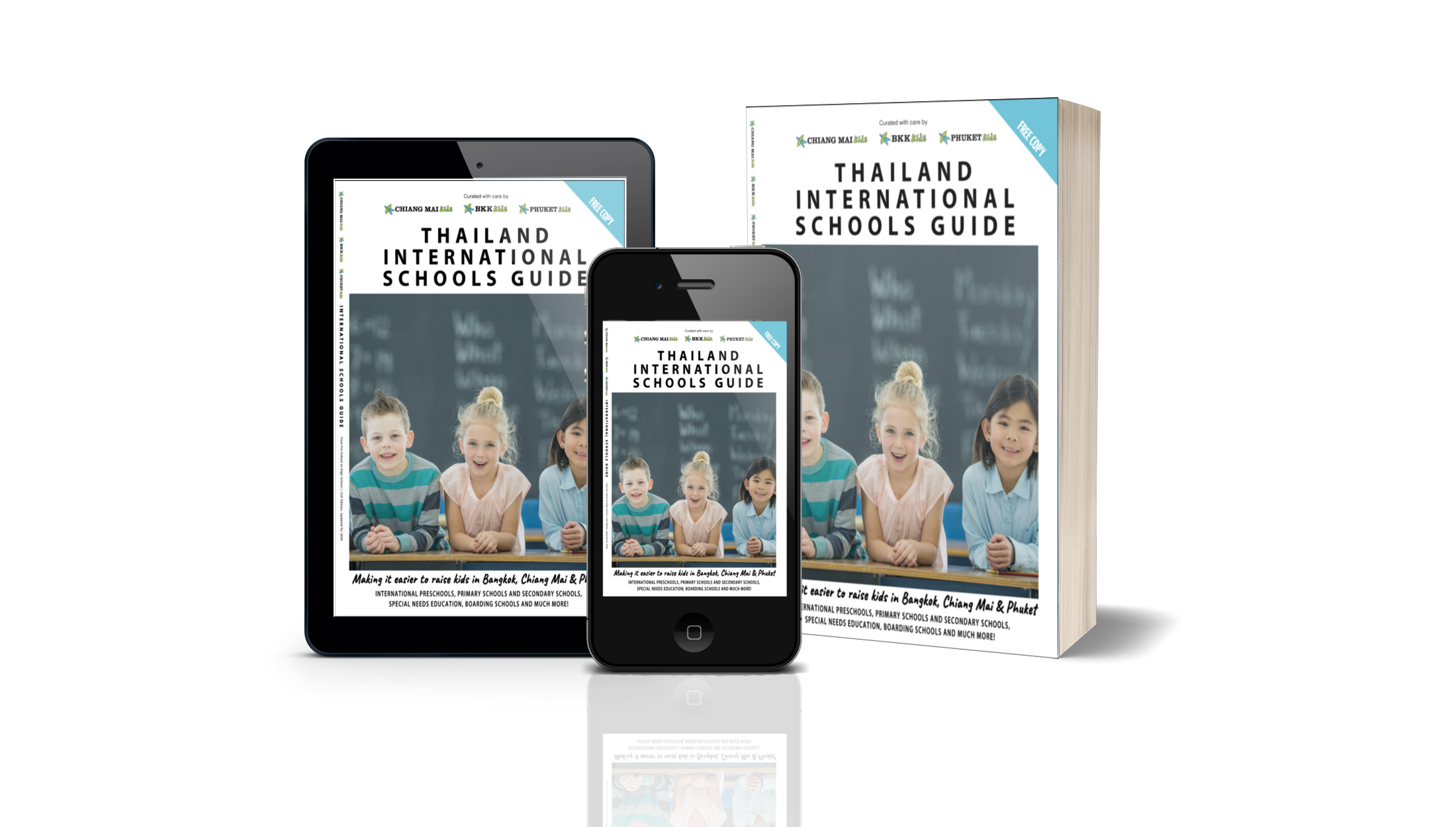
International Schools (British, IB, American Curricula)
Thailand is home to a large number of international schools offering globally recognised curricula such as the British (IGCSE/A Levels), International Baccalaureate (IB), and American systems.
These schools are often the first choice for expat families due to:
- Familiar curricula
- English-speaking environments
- Strong university pathways
However, one thing to note is that demand is high. Many top-tier schools have long waitlists, especially for key year levels, and admissions can be competitive.
For families relocating on short notice, securing a place in time can be challenging.
Bilingual and Private Local Schools
Bilingual and private Thai schools offer a mix of local and international curricula, often at a lower cost than international schools.
While these can be a good option for some families, there may be:
- Differences in teaching style and academic expectations
- Language barriers in certain subjects
- Less direct alignment with overseas university pathways
This can make transitions more complex for globally mobile families.
2. Homeschooling and Online Schooling Options
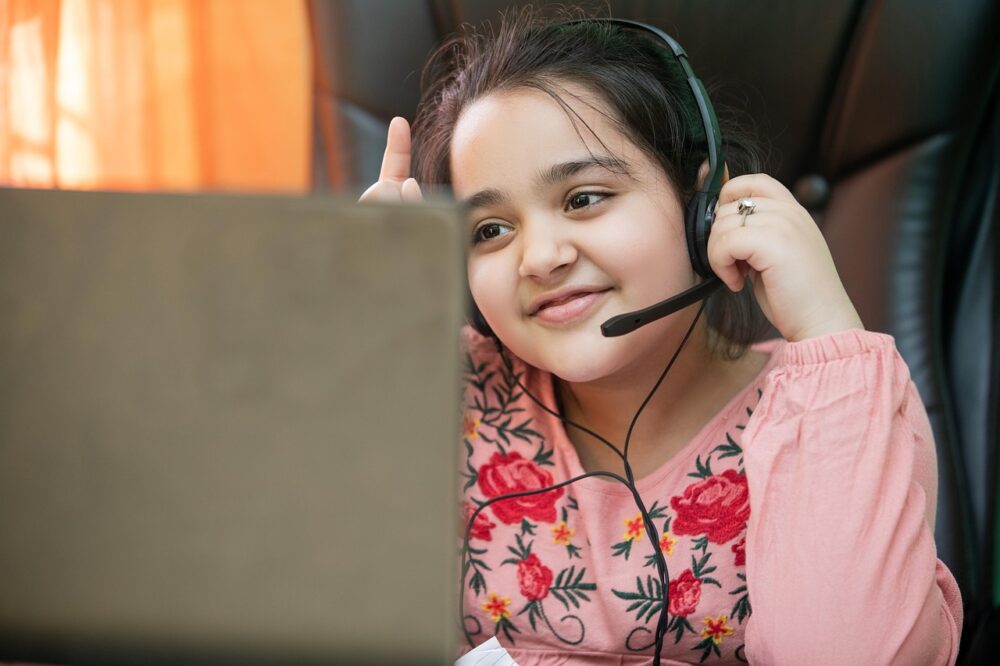
Some families explore homeschooling or online schooling as an alternative, particularly when:
- Waitlists delay school entry
- Relocation timelines are uncertain
- Children need more flexibility due to travel, training, or other commitments
Traditional homeschooling offers flexibility, but it often requires significant parent involvement and may lack structured academic support or recognised qualifications.
Online schooling, on the other hand, provides a more structured approach, combining flexibility with a formal curriculum and teacher-led instruction.
3. Why More Families Are Choosing Online Schooling Instead

For many relocating families, online schooling is no longer a backup option, it’s becoming a deliberate and strategic choice.
Reason #1: No Waitlists, No Delays
Unlike traditional schools, online schools are not limited by physical capacity. Students can start at any time of the year, without waiting for a seat to open or aligning with rigid academic calendars.
Reason #2: Consistency Across Moves
For families moving between countries, one of the biggest challenges is disruption. Different curricula, different systems, and repeated transitions can impact both academic progress and confidence.
Online schooling provides continuity, allowing students to stay on the same curriculum and learning path regardless of where they are in the world.
Reason #3: A Premium Alternative, Not a Compromise
Modern online schools have evolved far beyond recorded lessons or self-paced learning.
Crimson Global Academy (CGA), for example, offers:
- Live, teacher-led classes in small groups
- Globally recognised AP and A Level qualifications
- Proven university outcomes, including admissions to top US and UK universities
This makes it a strong alternative to traditional international schools.
Reason #4: Flexibility That Fits Any Family
Whether it’s a sudden relocation, a student-athlete balancing training schedules, or a family frequently on the move, flexibility becomes essential.
Online schooling allows students to:
- Learn from anywhere
- Access Asia-friendly schedules
- Balance academics with real-life commitments
Instead of forcing families to plan their lives around school, education adapts to fit their lifestyle.
Choosing the Right Path for Your Family

Every family’s situation is different. Some may prioritise campus life and local integration, while others need flexibility, continuity, or a more tailored academic pathway.
The key is to look beyond the traditional options and ask:
- Will this school still work if we move again?
- Does it align with my child’s long-term university goals?
- Is it flexible enough for our lifestyle?
For many families relocating to Thailand, the answer increasingly lies in solutions that offer both academic quality and flexibility, without compromise.
Final Thoughts
Thailand offers a diverse range of schooling options, but for relocating families, the biggest challenge is often timing, availability, and long-term consistency.
As global mobility becomes more common, more families are rethinking what “school” looks like, and choosing options that move with them, not hold them back.
If you’re exploring the best fit for your child, it may be worth considering not just where they study, but how their education supports their future, wherever that may be.
Interested in learning more about online schooling and whether it could be the right fit for your family? Speak with a CGA Academic Advisor to explore your child’s options and pathways.