

With thanks to Lorelle Evans, Australian Therapy Services Asia
As parents, we want to protect our children and help them feel content and happy in the world. When our children worry, we worry. And at some point, all children worry. So, how can we tell when our child needs professional help? Or whether they are just going through a usual developmental period that involves specific fears? Let’s first talk about what anxiety is and the different types.
Some anxiety in children is normal, depending on different developmental stages. Kids tend to fixate on fear or worry at a particular age and then eventually grow out of these worries. Some anxiety in children is also helpful. It allows for a child to learn about new situations and how to navigate them. Anxiety can also help children navigate dangerous situations through the fight or flight response. What is important to identify is when the anxiety becomes all-consuming, is no longer consistent with a developmental period, or is really getting in the way of your child’s ability to play, make friendships, or do well at school. This is when anxiety reaches a concerning level.
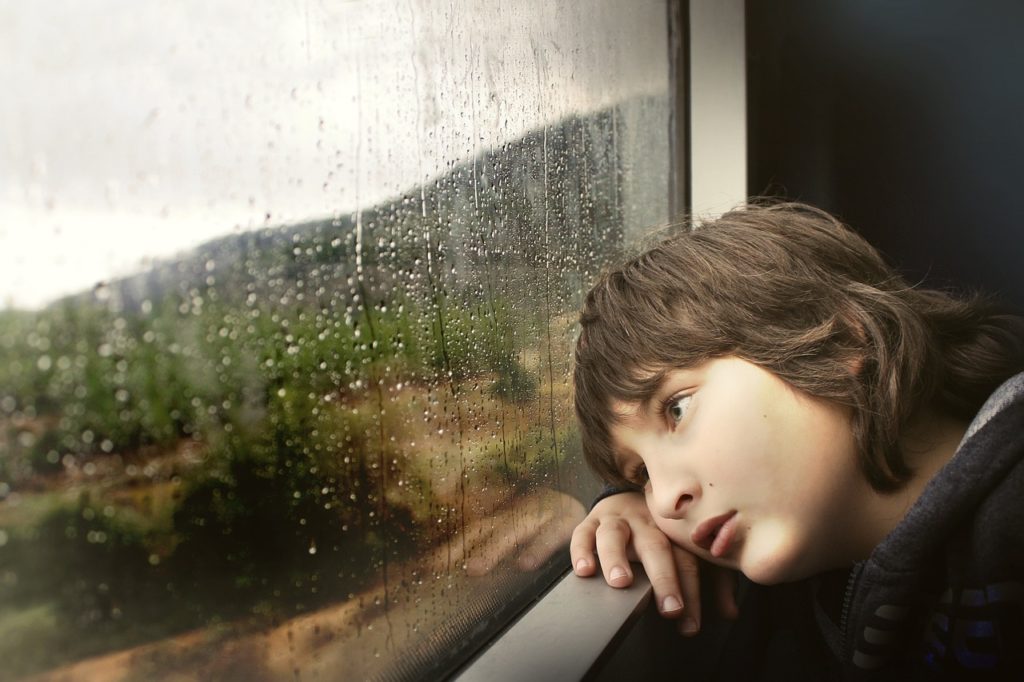
Not all anxiety is the same and thus, treatment may differ depending on the type of anxiety. The six most common anxiety disorders in children are:
- Specific phobias. An unreasonable, severe, or irrational fearful reaction to something (e.g., animals, water, flying). Being scared or fearful of dangerous things is normal. This helps us survive. But having a phobia actually gets in the way of normal living.
- Separation anxiety. Excessive fear or anxiety about being separated from people the child is attached to.
- Social anxiety. Intense fear and anxiety of social situations where the child perceives they will be judged, evaluated, or scrutinised.
- Generalised anxiety. Excessive anxiety and worry about a variety of events, situations, or activities.
- Panic Disorder. Recurrent and unexpected panic attacks – these are abrupt surges of fear and anxiety that peak within minutes. The child may feel chest pain, sweating, or trembling.
- Obsessive-Compulsive Disorder. Recurrent intrusive thoughts (obsessions) about certain things, which often are with repetitive behaviors or mental acts (compulsions) that they perform, such as washing their hands a lot, checking things over, or repeating certain words in response to the obsessions.
How can you recognise anxiety in kids?
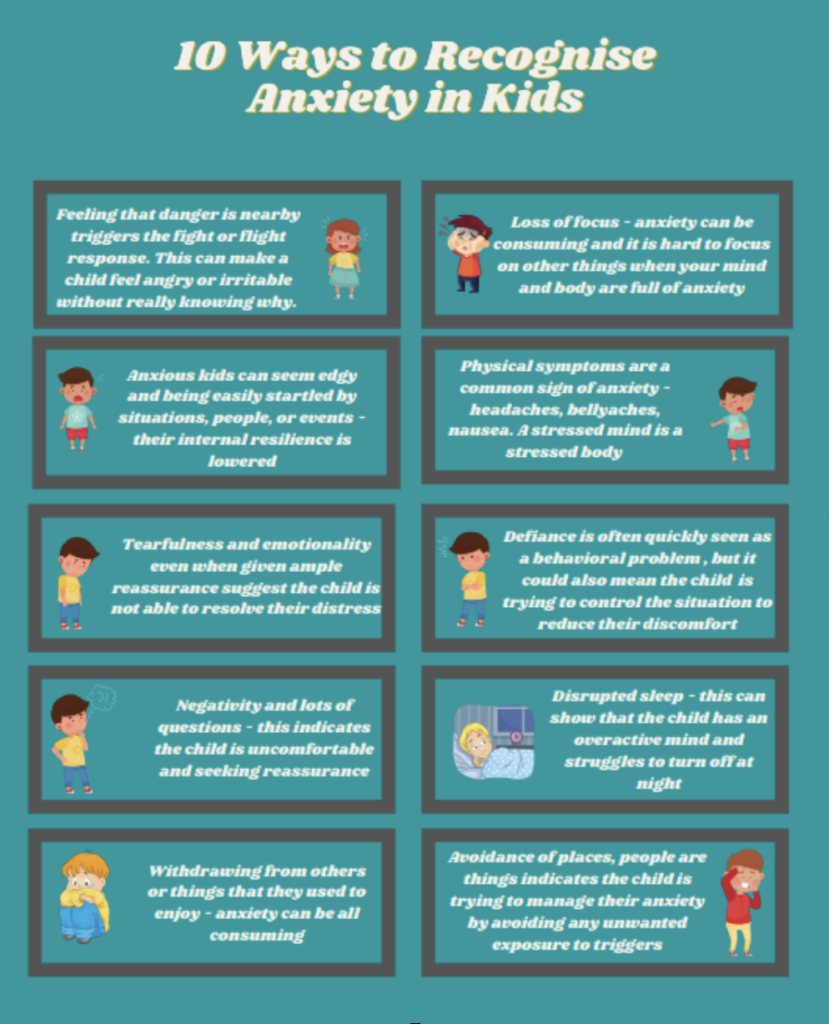
Even though there are lots of different types of anxiety, there are common ways that anxiety shows itself in kids. But it can also be hard to spot or put all the pieces together when we just think about ‘anxiety’. What we are looking for is all the emotions, verbalized thoughts, and behaviours that sit under the anxiety. And in kids, this can look a bit different than it does for an anxious adult.
What can I do if I think my child is anxious?
Many best-practice treatments that are available that have been shown to reduce anxiety. Talk to your child’s medical provider and seek a referral to a child psychologist or psychiatrist. Schools can also offer guidance counselling.
Australian Therapy Service offers the Cool Kids Programs, a well established set of programs which teach parents and kids how to manage anxiety through a mix of information and practical tasks. Cools Kids has been used in Australian schools for over 25 years and Australian Therapy Services is excited to be able to offer it in Thailand.
Talk about anxiety with your child. Find out what are the situations that make them feel uncomfortable. This normalizes the experience of anxiety and helps you become more
- insightful as to what is going on in their mind.
- Model confidence and resilience. Kids are very perceptive and how a parent handles anxiety or stress models strategies to the child. Try to model healthy ways of handling anxiety or stress – show how you can tolerate it and calmly deal with it.
- Allow distress to occur – don’t avoid the anxious triggers. As parents, we tend to manage the risk of our child being distressed, but for anxious children, feeling anxious and then knowing how to cope is an essential skill. Avoidance is a maladaptive coping strategy and will not allow your child develop resilience in managing their anxiety.
- Practice mindfulness as a family. There are many good mindfulness apps available for children (e.g., headspace, mightier, smiling mind) and mindfulness is a skill that can extended to all aspects of life. Start mindfulness as a family and this will help your child see it is a life skill and not a treatment.
- Be positive but realistic. Anxiety will not disappear overnight, but we can be positive about the future and how, with action, your child can learn to navigate the world in a healthy and happy way.
- Externalise the child’s anxiety. By labelling and distancing your child from the anxiety, they can learn to take control. You could give the anxiety a name or get your child to draw a picture of their anxiety.
References
American Psychiatric Association (2013). Diagnostic and Statistical Manual of Mental Disorders (5th Ed.). Arlington, VA: American Psychiatric Publishing.
Andrews, G., Bell, C., Boyce, P., Gale, C., Lampe, L., et al. (2018). Royal Australian and New Zealand College of Psychiatrists clinical practice guidelines for the treatment of panic disorder, social anxiety disorder and generalised anxiety disorder. Australian and New Zealand Journal of Psychiatry 2018, 52(12) 1109-1172.
Goldstein, C. (n.d.). What to Do (and Not Do) When Children Are Anxious: How to respect feelings without empowering fears. Retrieved from https://childmind.org/article/what-to-do-and-not-do-when-children-are-anxious/
Coltera, F. (2018). Anxiety in children. Retrieved from https://www.health.harvard.edu/blog/anxiety-in-children-2018081414532