



Dyslexia is a term that has been used many different ways during the past century. As a result, myths have emerged about the diagnosis and how the term applies to children who struggle to learn to read. As a parent or teacher, if we are to effectively help children with the diagnosis, it is essential that we are clear on what is known about dyslexia. Below are five of the more common myths explained, separating fact from fiction.
MYTH #1: Dyslexia is a specific type of reading disorder that can be diagnosed using standardised tests.
FACT: Almost from the first use of the term, dyslexia has been defined in many different ways. The term comes from the Greek prefix dys – disorder and lexis – word or language. So, technically the term would mean “disorder of language.” Most authors now use the term to refer to problems with reading; however, when originally used decades ago, it referred only to individuals with known brain injuries. So, a more accurate term often used today is “Developmental Dyslexia.” That term distinguishes children who have trouble learning to read from adults who acquired a reading disorder after a stroke or other type of brain injury.
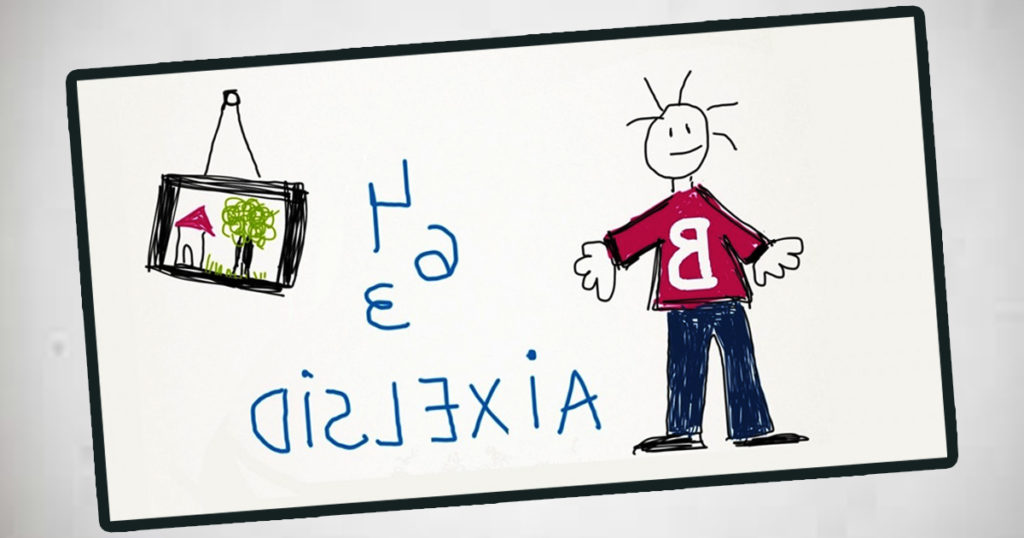
MYTH #2: Dyslexia is a visual disorder causing those with the disorder to see words and letters backwards.
FACT: Children have to learn that letters, unlike other types of pictures and objects, have a specific orientation in space. A d and a b are different letters whereas ( and ) are both either new moon or crescent shapes – orientation does not matter. Many young children reverse letters, both in reading and writing, but that is not a diagnostic sign of dyslexia. Conversely, many children with dyslexia do not reverse letters.
MYTH #3: Dyslexia is more common in boys than girls.
FACT: A few decades ago, dyslexia was diagnosed much more frequently in boys. More recent research, first published in the Journal of the American Medical Association, indicated that dyslexia probably affects a comparable number of girls and boys, although boys may be diagnosed more frequently because they may be more likely to exhibit problems sitting still and learning in early grades. However, there is some newer conflicting research that suggests that dyslexia may be two to three times more prevalent in males than females. Furthermore, neurobiological characteristics of dyslexia reported in males may be very different than those found in females.
MYTH #4: There is no way to determine if a child is at-risk for developmental dyslexia until they enter school and begin to show problems with reading.
FACT: There is a great deal of new research pointing to developmental dyslexia risk factors that may be observable during preschool years. In the book “Overcoming Dyslexia”, they include:
- Trouble learning common nursery rhymes
- Difficulty learning and remembering letter names
- Problems learning to recognize letters in their own names
- Persistent speech problems or “baby talk”
- Problems recognizing rhymes
There is also mounting evidence that problems with speech perception during early development are a major risk factor for dyslexia in school age children.
MYTH #5: Dyslexia is a life-long problem and those with the diagnosis will never be able to read very well.
FACT: Although many individuals diagnosed with dyslexia initially struggle to learn to read, effective reading interventions are available and do enable individuals with dyslexia to learn to read and excel in school.
According to research conducted by Dr. John Gabrielli and his colleagues, neuroscience-based interventions like the Fast ForWord® programs have shown to result in neurophysiologic repair, which can be seen as increased activation of frontal and temporal-parietal regions in the left hemisphere of the brain. These types of interventions are especially effective for children with dyslexia and have lasting effects.
Fast ForWord has been shown to help students with dyslexia. Learn more or get more information by contacting ffwbkk@gmail.com.