



How much is too much? When it comes to rewarding good behaviour, it’s a question many parents can struggle with. Reward systems are common ways to help encourage kids’ positive behaviour. But at what point do they lead them to believe that doing good always comes with praise, reward? What might be the risks of this?
The question has been debated by parents and psychologists since the reward system was first popularized by BF Skinner, a behavioural psychologist, in the 1930s. His work focused on motivating human action with external incentives. His findings account for the spades of how-to books about how to entice kids with toys, candy bars and more to get them to see a positive connection, a pattern, between good behaviour and personal gain.
Decades later, Caroline Dweck, a Stanford University psychology professor, introduced a new popular parenting theory named the growth mindset model, emphasizing the power of praising hard work and dedication in kids’ development. Early supporters of the growth mindset model claimed that praising effort is key, no matter the result.
Over time, critics have challenged both approaches. Alfie Kohn is one such critic, arguing that focusing on external incentive overlooks the more important lesson of developing kids’ moral decision-making skills and motivations. Sticker charts map out the accomplishment of good behaviour that can be observed, checked. But do they help create an inner moral incentive?
Furthermore, some questioned, what happens when praise for kids’ efforts goes unbridled, with all efforts being lauded as worthy and superb? Would this only breed affirmation hungry egos?
Studies have emerged to justify these concerns. Reward systems have been shown to discourage risk-taking and creativity, while the growth mindset model can make kids scared of facing failure, studies show. When prizes and approval are the only perceived benefits, kids tend to miss the bigger point of these lessons.
So how can parents balance praise and reward in appropriate proportions?
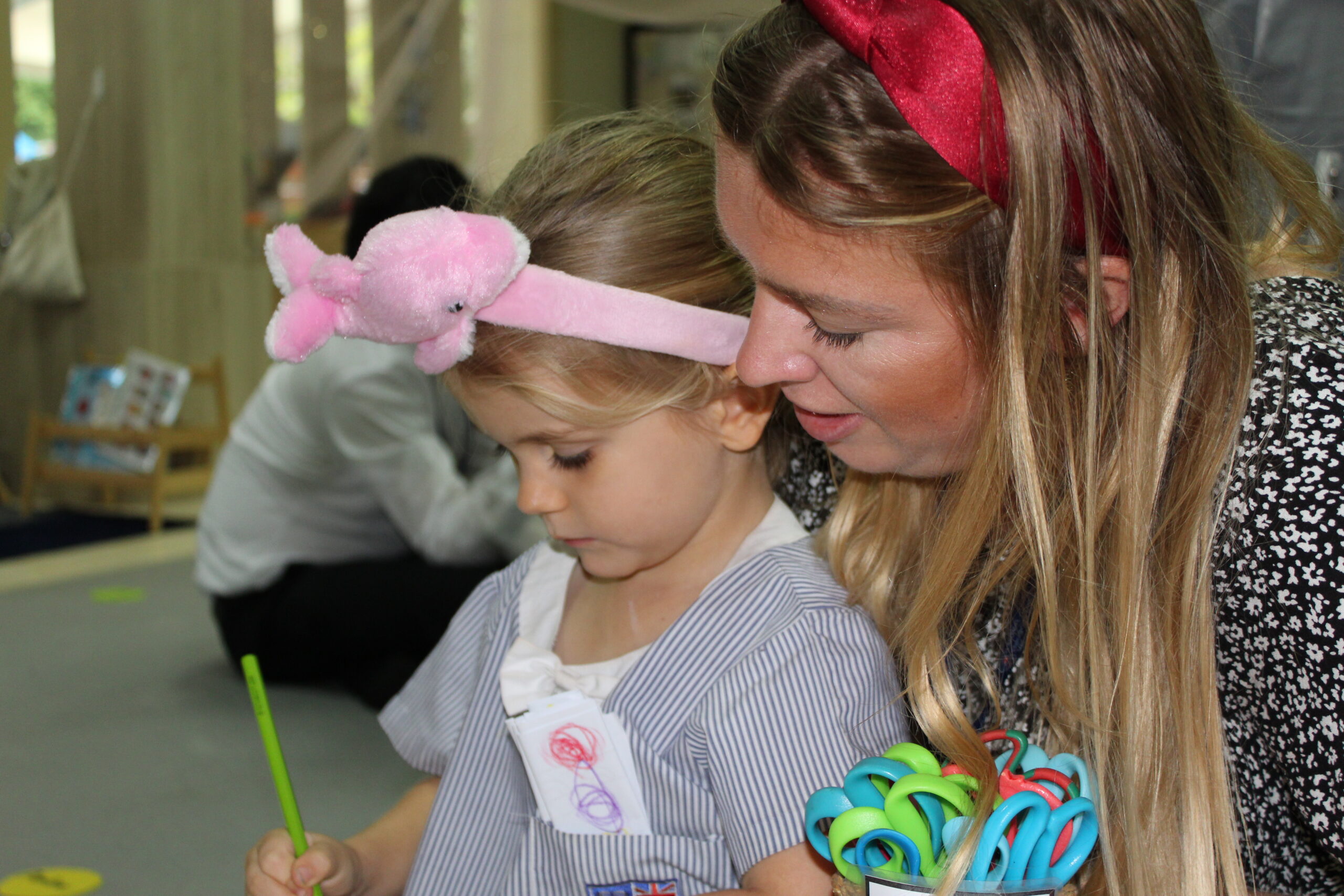
One way is to engage in descriptive praise. Instead of remarking on “how special” and “brilliant” your child is, tell them what you like about what they did. For example, “I like how you drew that picture!” or “I like how you persevered through that math problem!” Don’t just tell them they’re doing well, but what they’re doing well, drawing attention to the value of the task itself.
On the same note, using “I” statements helps convey the sincerity and specificity of your appreciation. This can teach kids that their actions can have a positive effect on others.
Finally, give praise to your child but do so selectively. Just the right amount of encouragement can go a long way. When your child fails at a task, encourage them to consider what they learned in their experience, how they might improve next time and at last, acknowledging how success doesn’t always have to be the only acceptable end goal.
As with many things in life, balance is key. Praise and reward pay off, but be sure to be weary of how much they warp your child’s sense of why doing the good thing is right after all.
Register your email address here and we’ll notify you when a new article gets uploaded.