


Editors Note : With thanks to St Andrews International School Bangkok
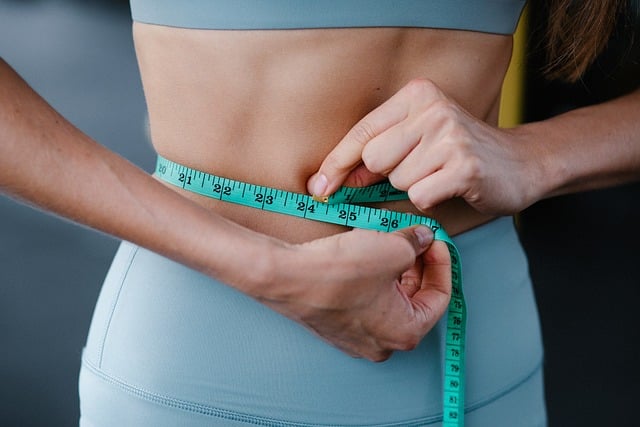
We know that body image is a concern for many kids. It’s a common issue among young people that can affect mental and physical health – both positively and negatively – and have an impact on friendships and studies. So, what is body image? And how can we support our kids to be ‘body positive’?
What is Body Image?
Body image is how we feel about ourselves physically. It’s also how we think others see us. A person can have a healthy or unhealthy body image, regardless of how they look.
Research has shown that attitudes about body shape and size may start to form as early as three or four years old. This trend continues into adolescence. A UK Mental Health Foundation survey on body image in adolescence found that 35% of 13 to 19-year-olds felt their body image caused them to ‘often’ or ‘always’ worry.
There lots of factors that influence body image in children and young people. These include the media and social media, their surroundings, and friends and family relationships.

What Causes a Bad Body Image?
There are many factors that can affect a developing child’s body image. Some factors that could lead to a poor body image include:
- Bullying
- Pressure to lose weight from adults
- Self-imposed peer pressure
- Adults and friends who express body dissatisfaction in themselves
- Media and advertising that promote particular appearances
Keep in mind that there are other factors that can lead to a bad body image for children. Oftentimes, it is more than a single factor.
How Does Body Image Affect Mental Health?
How a person feels about their body can have a positive or negative impact on their mental health.
A positive body image can boost confidence and help a young person develop a healthy perception of themselves. This means they’re more likely to base their self-worth on internal rather than external characteristics, like how they look. This can enhance overall wellbeing.
A negative body image can impact a young person in many ways. If they feel they don’t match up to certain standards – or they’re not ‘good enough’ in some way – it can severely affect their self-esteem and confidence. It can also lead to anxiety and cause depression or low mood.
What is body dysmorphia?
Body dysmorphic disorder (BDD), or body dysmorphia, is a mental health condition where a person spends a lot of time worrying about their body image. People of any age can have body dysmorphia, but it’s most common in teenagers and young adults.
A young person might be given a diagnosis of BDD if they:
- Experience obsessive worries about one or more perceived flaws in their physical appearance and the flaw can’t be seen by others or appears very slight.
- Develop compulsive and repetitive behaviours and routines, such as excessive use of mirrors or picking skin.
- Experience significant disruption to their daily life because of these worries and behaviours, such as avoiding social situations.
Body dysmorphia can vary in severity from person to person, day to day.
Sadly, many young people don’t seek help because they’re worried that people will think they’re ‘vain’. This means they’re likely to experience the condition for a long time before getting support.

Tips for Supporting Your Child With Body Image Issues
It can be upsetting to see your child’s body image worries affect their daily life. But there are several things you can do to support them.
- Accept their feelings – Listening to and acknowledging your child’s feelings is a great way to start. While you may not understand why they’re concerned about their appearance, it’s important to recognise that these thoughts are very real to them.
- Offer space to talk – It can be difficult for someone experiencing body image issues to speak about how they feel, especially if they find things embarrassing. But talking can be a first step in seeking help.
- Don’t take it personally – It can be hard if your child withdraws from you or other social contact. Try to remember this is due to negative feelings about their appearance rather than anything you’ve done.
- Learn their triggers – Some young people find certain situations difficult. And sometimes these can’t be avoided, like seeing mirrors in shops or public toilets. Try to help your child build up to potentially triggering situations.
- Be consistent – Young people with body image issues may seek reassurance about the way they look. Try not to get drawn into debates about their appearance – and encourage others not to do the same.

Our role as a school – and how we embrace body positivity
At St Andrews, our school-wide commitment to wellbeing creates a safe space where every student receives the personalised care they need.
We know every student is unique. And we make sure that – if a child is struggling or facing challenges – they receive the very best support from our therapists, counsellors, and learning specialists.
We also embrace body image positivity. Alongside dedicated personal, social, health, and economic (PSHE) sessions, this includes:
- Focusing on health and wellbeing, and exploring what it feels like to be healthy, rather than what it looks like.
- Showing our children that physical activity can be fun and offering lots of different opportunities.
- Encouraging our students to think critically, including about how people are portrayed online.
- Reinforcing diverse body-positive messaging and images.