


For generations, education has been a cornerstone of success in life. However, as our understanding of education and learning evolves, so too must our methods of teaching and educating our children. One such method is the holistic approach. This approach has been gaining traction in recent years, with parents, teachers, and educational experts increasingly recognizing its benefits. Holistic education seeks to foster an understanding of our world in an integrated fashion, not simply through the memorization of facts.
In this blog post, we’ll discuss the key principles of the holistic approach to children’s education we have adapted at St. Andrews International School Sukhumvit 107 as well as the advantages and potential challenges associated with this form of learning. You should have a good understanding of the holistic approach to children’s education and be ready to devise a plan to put into practice.
What is Holistic Education
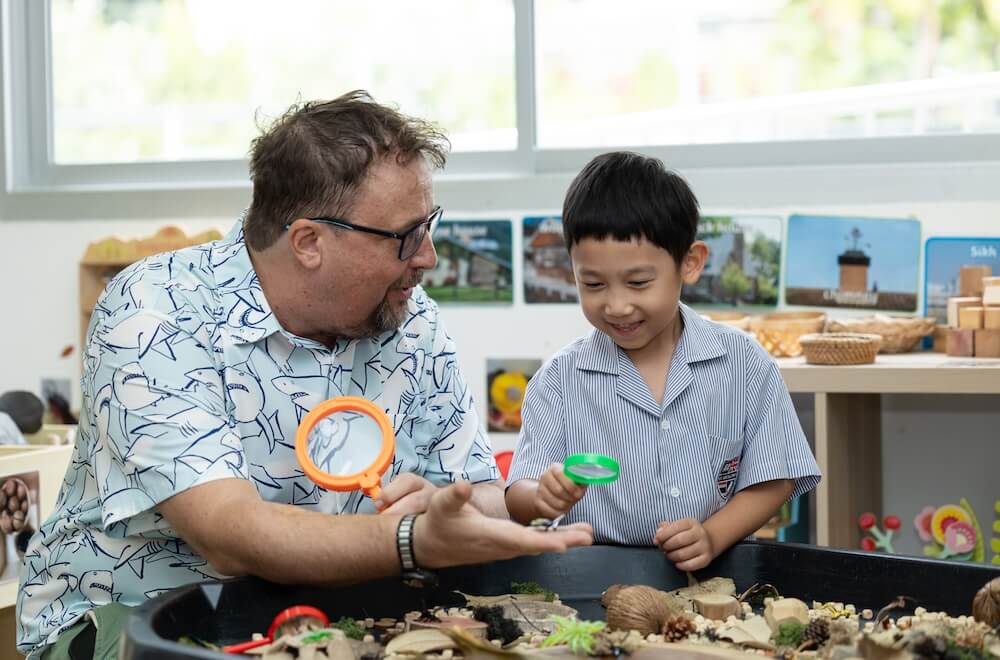
Holistic education takes a big-picture view of learning. It emphasizes the development of the whole person—intellectually, emotionally, physically, and spiritually. This approach sees children as individuals with unique needs and talents and recognizes that children learn best when their individual needs are met. Holistic education recognizes that children learn best when they are engaged in learning experiences that are meaningful and enjoyable. It encourages students to explore their interests and express themselves in multiple ways. Holistic education also emphasizes the importance of the environment and community, and it strives to help students become responsible citizens.
Benefits of Holistic Education
Holistic education is a type of educational approach that recognizes the importance of a child’s social, physical, emotional, and spiritual development. More and more people are beginning to realize the benefits of a holistic approach to education.
The primary benefit of a holistic approach to education is that it encourages children to develop a deeper understanding of their own unique needs and interests. By allowing children to explore their strengths and weaknesses, they can develop into well-rounded individuals.
Secondly, holistic education also fosters critical thinking and problem-solving skills, as children are asked to consider different perspectives and learn to think outside the box. Additionally, holistic education can also help children develop emotional intelligence by helping them to identify and understand their own emotional state as well as the feelings of others.
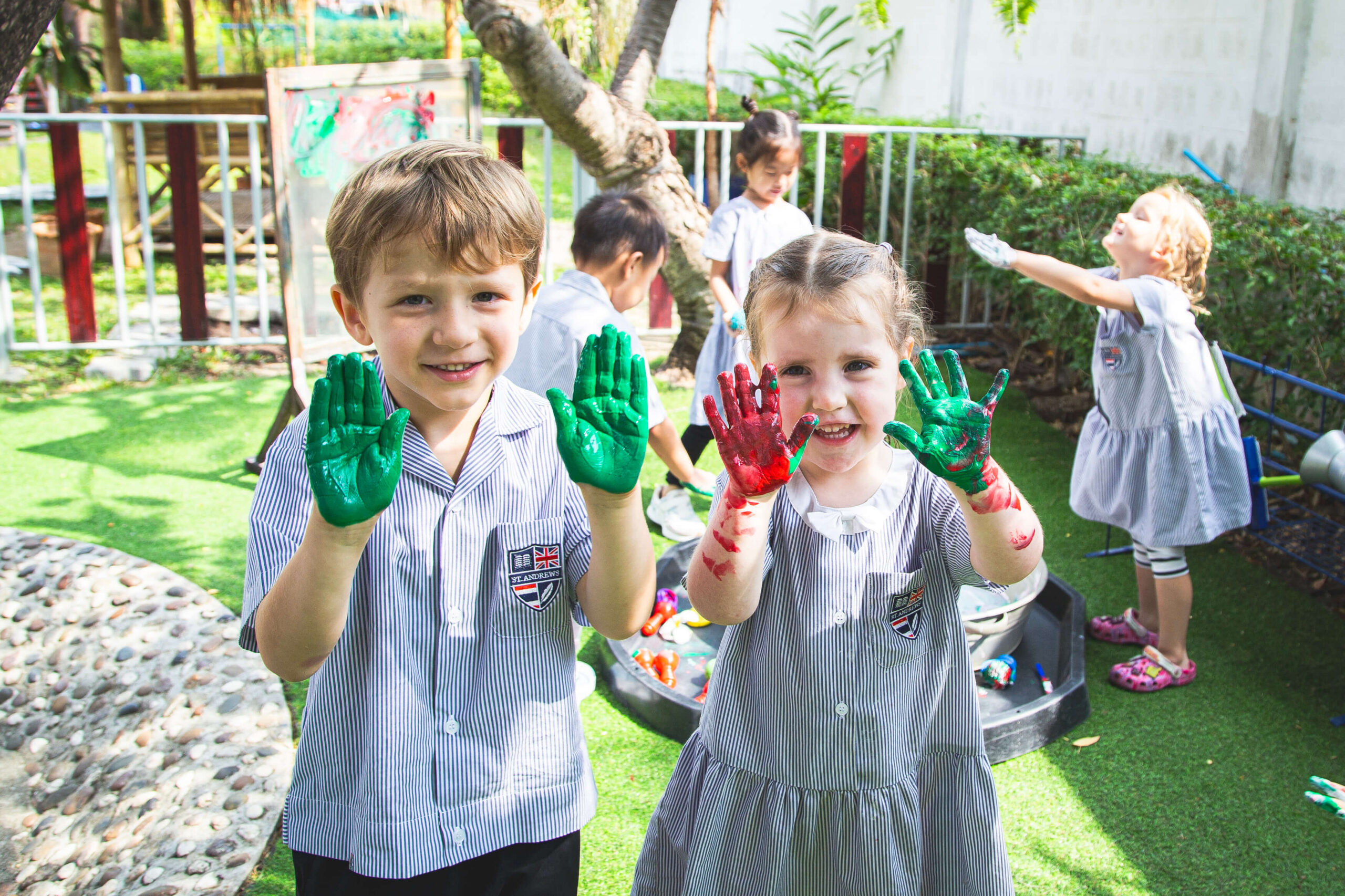
Finally, holistic education can also help children develop empathy, as they learn to consider the feelings and needs of others in addition to their own. Parental guidance, positive role models, and various activities can help children to learn and practice necessary social-emotional skills. For example, children can learn how to handle conflicts in a respectful manner, be empathetic to others, take turns, and be cooperative. Activities such as role-playing, storytelling, and drama can help children practice these skills in a safe and fun environment.
Components of Holistic Education
Holistic education is an approach that focuses on the whole child and encompasses all aspects of the individual’s life and learning. It recognizes that each child is unique and should be valued and nurtured accordingly. Three core components of holistic education are individualized instruction, experiential learning, and social-emotional development.
Individualized instruction is the process of tailoring learning activities to meet the individual needs and interests of each learner. Experiential learning emphasizes hands-on activities, such as field trips, projects, and simulations. Finally, social-emotional development is a critical part of holistic education, as it promotes self-awareness, positive relationships, and problem-solving. Together, these three components foster an environment that allows each child to reach their full potential.
Developing a Child-Centered Environment
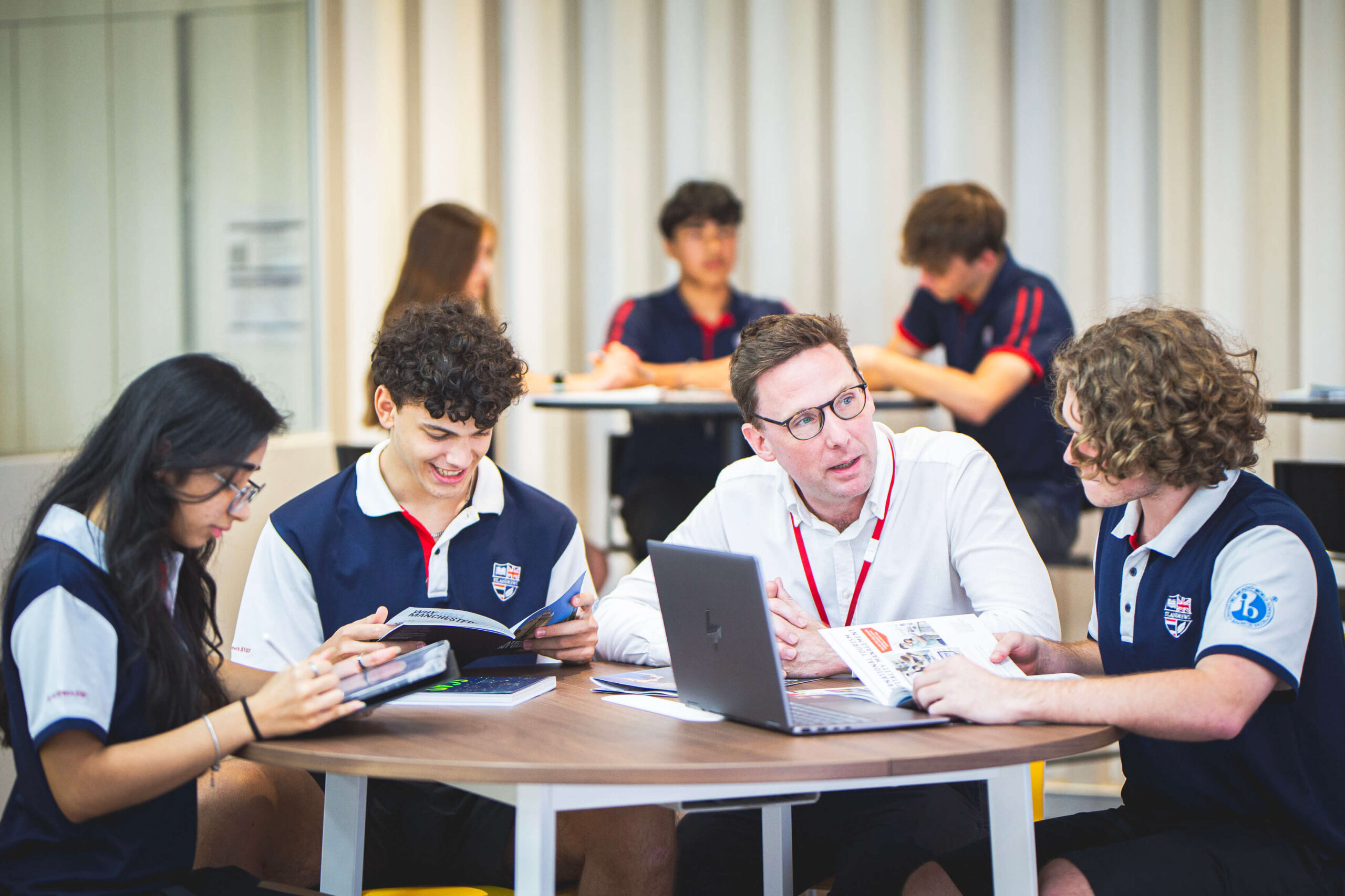
Establishing a child-centred environment is of paramount importance in holistic approaches to children’s education. This involves creating an atmosphere of respect, trust and inclusion that allows children to feel comfortable and empowered. A child-centred environment encourages exploration, discovery and problem-solving and allows children to take ownership of their learning and development. Effective communication between parents, teachers and students is key to creating such an environment – parents should be kept informed of their child’s progress, while teachers should be open to parent’s suggestions and feedback. Moreover, teachers should provide classrooms that are physically comfortable and aesthetically pleasing and foster an atmosphere of respect and collaboration.
Challenges of Holistic Education
One of the main challenges of holistic education is that the approach requires a significant investment in time and effort. Holistic education focuses on the whole person, rather than on a single subject matter, which can take a considerable amount of time and effort to implement. Additionally, since this type of education takes a more individualized approach, it can be challenging to design a curriculum that meets the needs of every student. Additionally, holistic education requires teachers to have a deep understanding of the student’s needs and goals, and to be very flexible in their teaching methods. Finally, the holistic approach to education can be expensive since it often involves a larger team of educators, as well as extra resources and materials.
In conclusion, holistic approaches to education help create a learning environment that is engaging, creative, and supportive to children. This approach focuses on the whole child, encouraging the development of their physical, social, emotional, and intellectual needs. Holistic education helps create a positive learning environment where children can develop the skills, knowledge, and values that will serve them for a lifetime.

At St Andrews International School Sukhumvit, we believe in the value of the holistic approach to education for our pupils. By taking into account the various aspects of a student’s life and environment, our teachers are able to create a curriculum that suits the individual needs of each student. Our holistic approach not only allows us to develop each student’s academic progress, but also to instill important values such as respect, resilience, and responsibility. Moreover, our teachers are trained to identify any potential problems faced by our students and to provide the necessary support and guidance. Through this holistic approach, we strive to develop the whole child and ensure that they reach their full potential. Reach out to schedule a school tour to learn more about how holistic approaches to education are implemented.